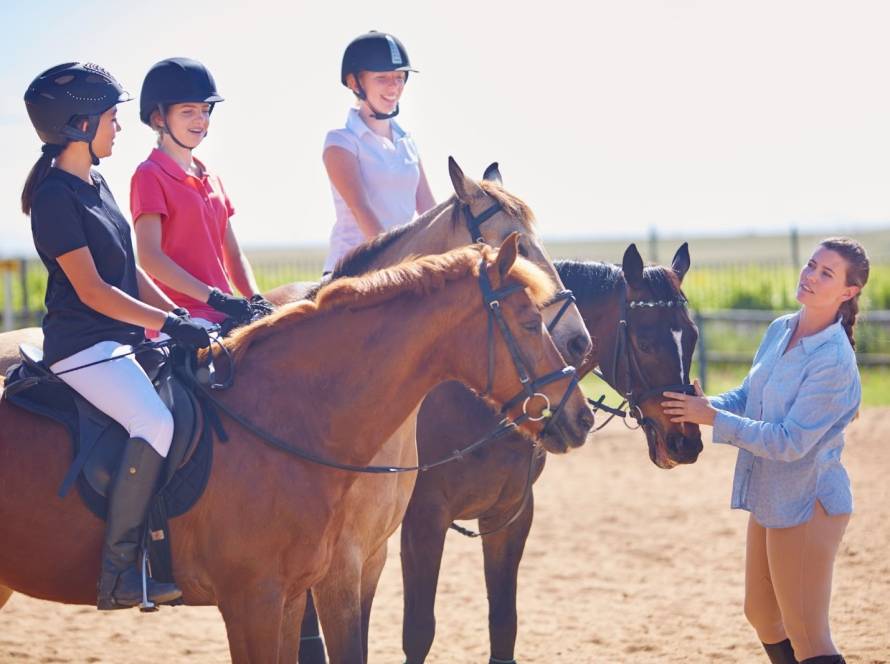
Horseback riding lessons give beginners a structured way to learn riding skills safely. Many first-time riders expect quick progress, yet riding requires patience and steady practice. Riders also need to understand horse behavior, riding equipment, and stable etiquette before starting lessons. Proper preparation helps beginners feel calmer and more confident during each session. Students who begin with realistic expectations usually enjoy riding longer and develop stronger skills over time.
What Horseback Riding Lessons Teach
Horseback riding lessons teach balance, communication, and horse handling from the beginning. Most riding schools combine riding instruction with grooming and safety education. Students learn how horses respond to body movement, pressure, and rider behavior during lessons. This learning process helps beginners build confidence before advancing into more technical riding skills.
Riding Starts Before Saddle Time
Most beginners expect riding to begin once they sit in the saddle. Instructors usually start with stable rules, horse handling, and basic grooming techniques first. Students learn how horses react to movement, unfamiliar sounds, and human behavior during early sessions. Grooming also helps riders recognize signs of discomfort or physical sensitivity before lessons begin. New riders practice leading horses calmly while maintaining safe spacing and controlled body language. These early activities help students feel more comfortable and prepared around horses over time.
Riding Styles Change the Experience
Different riding disciplines shape the learning experience in unique ways for beginners. English riding emphasizes posture, precision, and controlled communication with the horse. Western riding often emphasizes comfort, balance, and practical trail or ranch riding techniques. Some riding schools also specialize in jumping, dressage, or recreational riding programs for new students. Watching lessons or visiting local barns can help beginners understand these riding styles clearly. Riders who choose a discipline that aligns with their interests tend to stay more motivated during training.
Choosing the Right Riding School and Instructor
The riding environment shapes a student’s confidence and progress from the beginning. Some barns focus heavily on competition, while others support relaxed recreational learning. A professional instructor should communicate clearly and create a calm learning atmosphere. Students benefit most when lessons match their goals and comfort level. Some riders also look for barns during their vacation to make regular lessons and travel schedules easier to manage.
Signs of a Professional and Safe Riding Facility
Clean stalls and organized equipment usually reflect responsible barn management practices. Horses should appear healthy, alert, and comfortable around instructors and riders. Reputable schools provide helmets and explain safety procedures before every lesson begins. Lesson horses should behave calmly around beginners and respond predictably during instruction. Instructors must pay attention to each rider rather than constantly dividing their focus. Students should also notice how staff members treat horses throughout the facility. Respectful horse care often indicates a trustworthy riding program.
Questions Beginners Should Ask Before Booking
New riders often forget to ask important questions during their first barn visit. Students should ask how lessons are structured for complete beginners. It helps to know whether lessons are private, semi-private, or group sessions. Riders should also ask about instructor certifications and emergency safety procedures. Some facilities include grooming lessons while others focus only on riding skills. Students benefit from understanding cancellation policies and equipment requirements before committing financially. Clear communication early prevents confusion and frustration later.
What to Wear for Horseback Riding Lessons
Proper riding clothes improve safety, comfort, and movement during horseback riding lessons. Beginners do not need expensive riding outfits before attending early sessions. Simple and practical clothing choices usually work well for first-time riders. Comfortable gear helps students focus on learning rather than on physical discomfort.
Riding Gear Beginners Actually Need
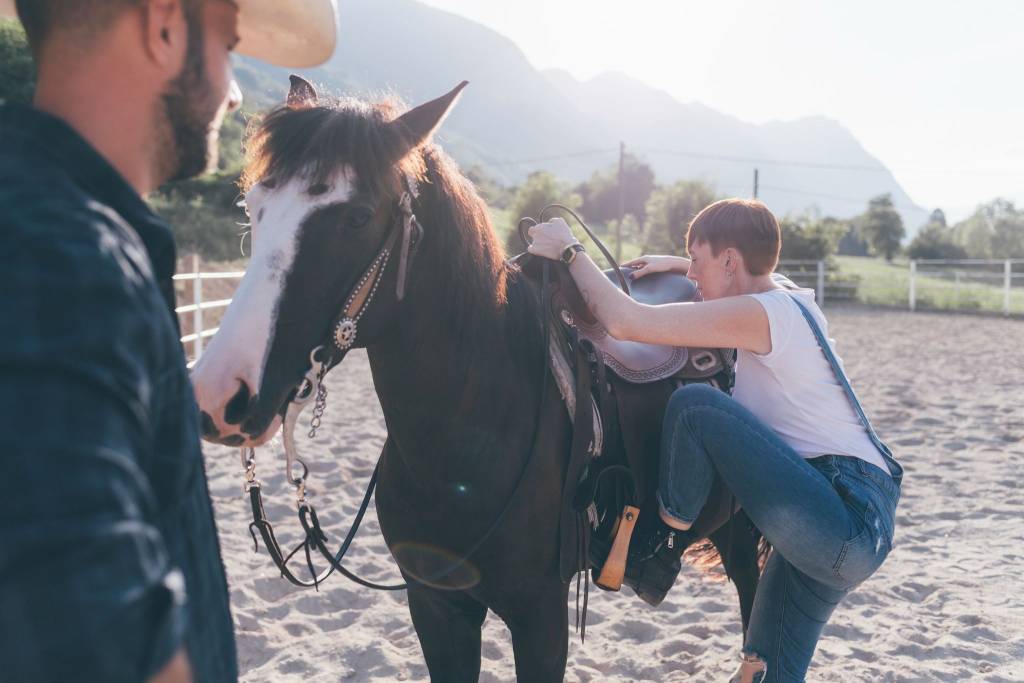
A riding helmet protects students in the event of unexpected slips or riding accidents. Most riding schools provide helmets, although personal helmets offer better long-term comfort. Riders should wear boots with a small heel to prevent stirrup slippage. Athletic shoes often create unnecessary safety risks during riding lessons. Comfortable pants help riders move freely while reducing saddle-related skin irritation. Gloves also improve rein grip and reduce hand discomfort during longer sessions.
Comfort Matters More Than Style
Many beginners purchase expensive riding gear before understanding their personal riding preferences. Expensive clothing rarely improves balance, posture, or communication with the horse. Comfortable outfits help riders stay focused during instruction and riding exercises. Most instructors recommend flexible clothing that suits changing weather conditions. Riders often discover preferred gear naturally after several weeks of consistent lessons. This practical approach prevents unnecessary spending during the early learning stage.
Physical and Mental Preparation Before Riding
Horseback riding engages the body and mind more than many beginners expect. Riders use balance, coordination, concentration, and muscle control throughout every lesson. Mental preparation also affects confidence and communication with the horse. Students who arrive prepared often learn faster and feel less overwhelmed.
Riding Uses More Muscles Than Expected
Beginners often experience soreness after their first horseback riding lessons. Riding movements repeatedly activate the legs, lower back, and abdominal muscles. Students must remain balanced as they adapt to the horse’s natural rhythm and motion. Tight muscles can affect posture and reduce riding control during lessons. Stretching before and after sessions helps riders stay flexible and comfortable. Regular walking or light exercise also improves riding stamina over time.
Building Confidence Around Horses
Large animals naturally intimidate some first-time riders during early lessons. Fear becomes easier to manage when instructors explain horse behavior clearly and patiently. Horses often respond calmly when riders stay relaxed and consistent. Nervous movements or sudden reactions may confuse sensitive lesson horses. Beginners should focus on breathing steadily and listening carefully during instruction. Confidence grows gradually through repetition, practice, and positive riding experiences. Riders who remain patient with themselves usually progress more comfortably.
Understanding Horse Behavior
Horseback riding lessons depend heavily on communication between horse and rider. Horses react constantly to movement, pressure, posture, and emotional energy. Riders who understand horse behavior usually make fewer mistakes during lessons. This awareness also creates safer interactions inside the stable and riding arena.
Horses Read Body Language Quickly
Many beginners expect horses to respond mainly to spoken commands. Horses actually notice body movement and physical pressure more consistently than words. Leaning forward too far may accidentally encourage the horse to move faster. Tight hands can also create confusion and tension during riding exercises. Calm posture helps horses understand rider instructions more clearly and comfortably. Instructors spend significant time teaching proper rein control and balanced riding movement.
Common Behaviors Riders Should Know
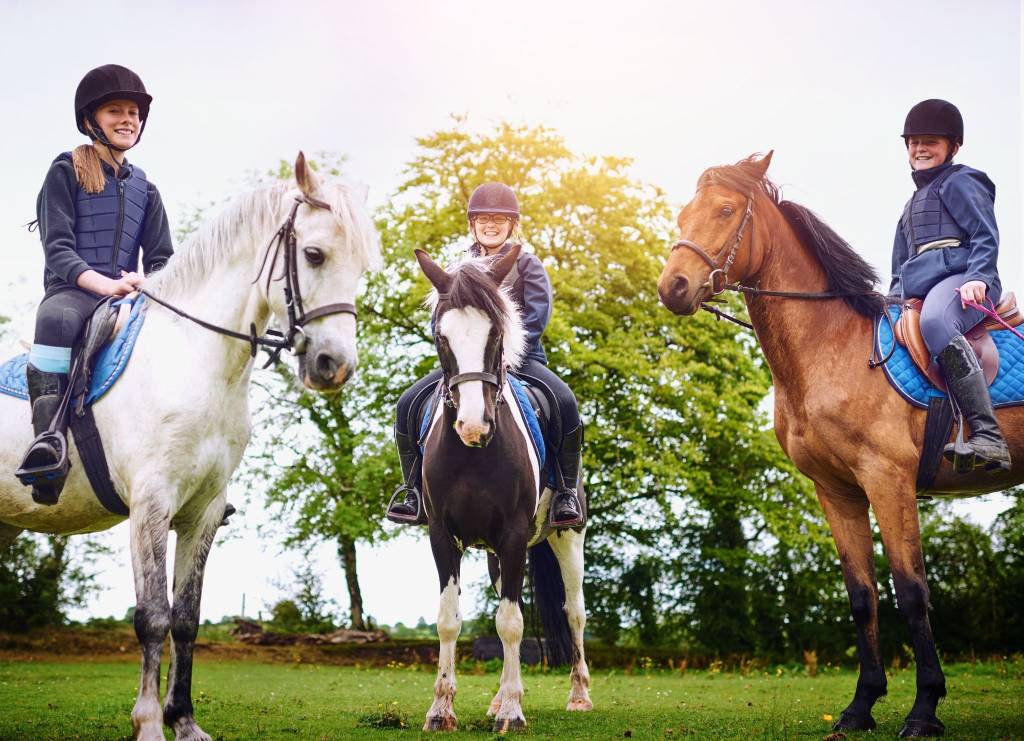
Horses communicate stress and discomfort through visible body language and changes in movement. Pinned ears, tail swishing, and stomping often signal irritation or nervousness. Relaxed horses usually display softer eyes and calmer physical movement patterns. Riders should avoid standing directly behind unfamiliar horses near stable areas. Sudden noises may startle horses even when they seem calm beforehand. This behavioral awareness helps riders react responsibly during horseback riding lessons.
Consistent Handling Builds Horse Trust
Horses respond better when riders remain calm and consistent throughout every interaction. Sudden movements and loud reactions can confuse horses and quickly trigger nervous behavior. Riders should use steady body language while grooming, leading, and mounting lesson horses. Consistent handling also helps horses feel safer around inexperienced riders during training sessions. Instructors often teach beginners how to approach horses respectfully and predictably from the beginning. This calm communication style strengthens trust between horse and rider over time.
Costs Behind Horseback Riding Lessons
Horseback riding lessons require both financial planning and consistent scheduling. Many beginners underestimate the long-term costs connected with regular riding instruction. Riding expenses often include gear, lesson fees, and transportation to the stable. Students who understand these commitments usually stay more motivated over time.
Riding Costs Extend Beyond Lessons
Lesson pricing often depends on the instructor’s experience and the facility’s quality standards. Some riding schools charge extra fees for equipment rentals or stable services. Riders may eventually purchase boots, helmets, gloves, and seasonal riding clothing. Advanced training programs and competitions can increase riding expenses considerably over time. Travel costs and scheduling also affect the consistency of long-term riding for many students. This financial preparation helps riders manage expectations before committing fully.
Consistency Improves Riding Skills
Many beginners expect rapid progress after only a few riding sessions. Riding skills develop gradually because balance and coordination require repeated practice. Students who attend lessons consistently often improve faster than those who attend only occasionally. Missing lessons regularly can interrupt physical adaptation and reduce rider confidence. Most instructors recommend weekly horseback riding lessons for steady improvement. Patience and repetition usually create stronger riding habits than rushing through advanced techniques.
Common Beginner Mistakes in Riding Lessons
Every beginner makes mistakes during horseback riding lessons and early training sessions. Most errors happen because riders tense their muscles or overthink instructions. Instructors correct these habits early to improve rider safety and communication skills. This learning process helps students build stronger riding foundations over time.
Looking Down Hurts Balance
New riders often look downward while checking their hands or foot placement. Looking down shifts body weight and immediately weakens the overall riding posture. Horses can sense these posture changes and react unpredictably during movement transitions. Instructors encourage riders to focus forward rather than constantly stare downward. Forward focus improves balance, confidence, and awareness during riding exercises. Proper posture becomes more natural through steady practice and repetition.
Tension Affects Horse Communication
Beginners commonly grip the saddle tightly during stressful riding moments. Tight muscles reduce flexibility and create stiff riding movements inside the saddle. Horses often mirror rider tension through resistance or uneven movement patterns. Relaxed breathing helps riders maintain smoother posture and better physical coordination. Flexible arms and legs significantly improve communication between horse and rider. This relaxed riding approach creates safer and more comfortable horseback riding lessons.
Safety Habits Every Rider Should Learn
Safe riding habits protect riders, instructors, and horses during every lesson. Good safety practices become easier when students learn them from the beginning. Riders who respect stable rules often feel more confident around horses later. This awareness also reduces avoidable accidents inside busy riding facilities.
Stable Rules Protect Everyone
Barn rules exist because horses react quickly to movement and surrounding noise. Running near horses can startle them and create dangerous situations immediately. Riders should approach horses calmly and speak softly during stable interactions. Gates and stall doors should remain closed after entering or leaving spaces. Students should never feed unfamiliar horses without instructor approval first. Following stable rules creates safer conditions for riders, staff, and horses alike.
Listening Improves Riding Safety
Experienced instructors notice riding risks that beginners often overlook completely. Correcting posture early helps riders avoid discomfort and unnecessary riding injuries later. Instructors also understand which horses match different rider personalities and skill levels. Students should ask questions whenever the riding instructions feel unclear or confusing. Open communication helps instructors provide more effective support during lessons. This instructor guidance improves riding confidence and long-term safety habits.
Emergency Awareness Improves Rider Safety
Beginners should understand how to respond to unexpected situations involving horses and stable areas. Horses may become startled by loud sounds, sudden movement, or unfamiliar surroundings. Riders should stay alert and follow the instructor’s directions immediately during stressful situations or riding exercises. Learning how to stop a horse properly also helps beginners feel better prepared and more confident. Students should avoid panicking because nervous reactions can increase confusion for sensitive lesson horses. This safety awareness helps riders respond more responsibly during horseback riding lessons.
Begin Horseback Riding Lessons the Right Way
Horseback riding lessons become far more rewarding when beginners arrive prepared and informed. Riders who learn proper habits early often feel safer, more confident, and more connected with their horses. Small decisions, from choosing the right instructor to practicing consistently, can shape the entire riding experience. Waiting for the perfect moment often delays progress, while a well-planned lesson can begin a lasting, meaningful skill journey.
Explore the Rancho DM Horse Club blog for riding advice, training guidance, vacation rental insights, and helpful resources for every skill level.