Riding a horse through open trails offers a calm yet exciting way to explore nature. Many travelers choose horseback riding tours to experience landscapes from a slower, richer perspective. The gentle rhythm of a horse creates a feeling that walking or driving cannot match. First-time riders often wonder what the experience will actually feel like. Clear expectations make the ride more enjoyable and help riders approach the experience with confidence.
How Horseback Riding Tours Work
Horseback riding tours follow a structured yet relaxed format designed for riders of all skill levels. Most tours focus on safety, comfort, and a steady pace along scenic routes. Guides lead riders through trails while managing horses and group movement. Understanding the general structure helps riders feel prepared before arriving at the ranch or riding center.
Structure of Guided Horseback Riding Tours
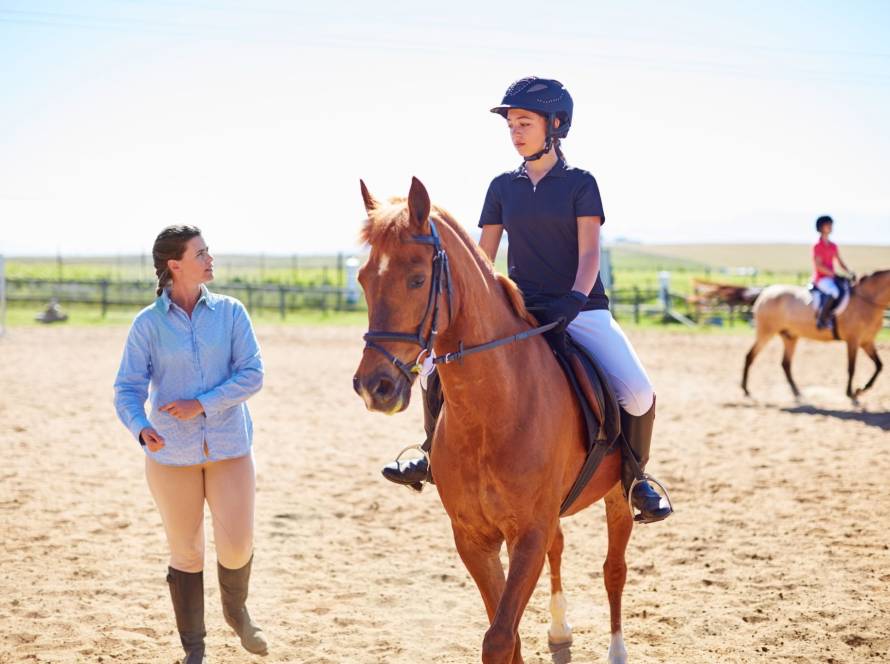
Guided horseback riding tours follow a predictable flow that helps riders feel comfortable throughout the experience. Guests usually arrive at a ranch, stable, or outdoor recreation center. Staff members greet visitors and confirm reservations before beginning preparations for the ride. After check-in, guides introduce themselves and explain the tour schedule and expected riding time. Riders receive helmets and basic equipment before meeting their assigned horses. The group then moves to a short practice area where riders become familiar with horse movement. Once everyone feels comfortable, the guide leads the group along the planned trail.
Types of Horseback Riding Tour Experiences
Tour operators offer several riding styles depending on location and landscape. Scenic trail rides remain the most common option for beginners and families. These rides usually follow forest paths, open fields, or gentle hills. Coastal areas often offer horseback riding on beaches with ocean views and wide, sandy trails. Mountain regions may offer elevated trail rides with dramatic viewpoints and rugged terrain. Additionally, ranches sometimes organize sunset rides that combine relaxed riding with memorable scenery. The variety allows travelers to choose a ride that matches their comfort level.
Group Size and Riding Pace
Most horseback riding tours operate with small groups to keep the experience calm and manageable. Groups usually range from four to ten riders, depending on the location. Smaller groups allow guides to monitor riders and horses more closely. Horses typically walk at a steady pace throughout most tours. Some experienced groups may enjoy short stretches of gentle trotting. However, guides adjust the speed based on rider comfort and trail conditions. This controlled pace allows guests to enjoy the surroundings without feeling rushed.
What Happens Before the Horseback Ride
Preparation takes place before riders mount their horses. Tour staff focus on safety, comfort, and proper communication with the animals. These early steps help new riders relax and understand what will happen during the ride. Riders who pay attention during this stage usually feel more confident once the trail begins.
Safety Briefing and Riding Instructions
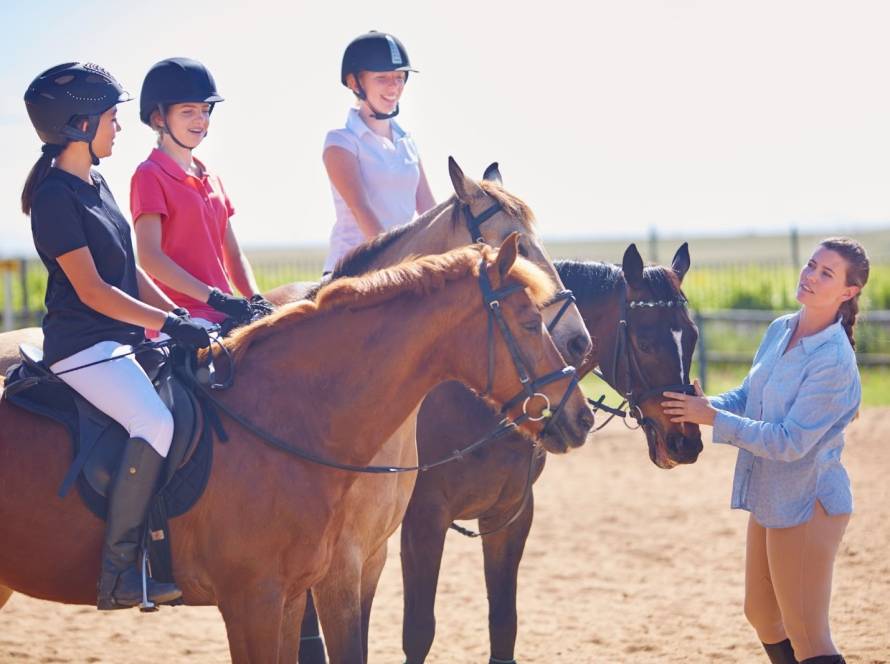
Every horseback riding tour begins with a short safety briefing led by the guide. The guide explains how to sit properly and hold the reins comfortably. Riders also learn simple commands used to guide the horse while riding. Staff members explain how to stop, steer, and maintain balance during movement. These instructions sound simple, yet they greatly improve rider confidence. Guides also explain trail etiquette so riders know how to behave around other horses. After the briefing, guests move to the mounting area to begin the ride.
Matching Riders With Suitable Horses
Tour operators carefully pair each rider with a horse that matches their experience and size. Calm and patient horses usually carry beginners or children. More energetic horses sometimes go to riders with prior experience. Staff members consider rider weight, height, and comfort when assigning horses. Horses trained for tours often know the trails well and respond smoothly to simple commands. This thoughtful matching creates a safer and more enjoyable ride. Riders often feel reassured once they meet their calm and well-trained horse.
What Riding a Horse on the Trail Feels Like
The actual riding experience often pleasantly surprises first-time participants. Horses move with a steady rhythm that feels natural after a few minutes. Riders quickly notice the quiet connection between the animal and its surroundings. As the group moves along the trail, the ride becomes both relaxing and engaging.
First Moments After Mounting the Horse
Mounting a horse can feel unfamiliar to many beginners at first. Guides help riders step into the saddle and adjust their position. Once seated, riders usually notice the horse’s height and gentle sway. The guide often walks each horse briefly to help riders adjust their balance. This short adjustment period allows riders to relax and feel comfortable in the saddle. Soon afterward, the group begins moving toward the trail entrance.
How Horses Move During Trail Rides
Horses usually begin walking at a calm and steady pace. This movement feels like a slow rocking motion beneath the rider. Riders hold the reins lightly while maintaining a balanced posture in the saddle. Guides often remind riders to relax their shoulders and follow the horse’s motion. After several minutes, most riders feel surprisingly comfortable with the rhythm. Some tours may include a short trotting section if riders feel confident. However, walking remains the primary pace for most tours.
Scenic Views Along Horseback Riding Trails
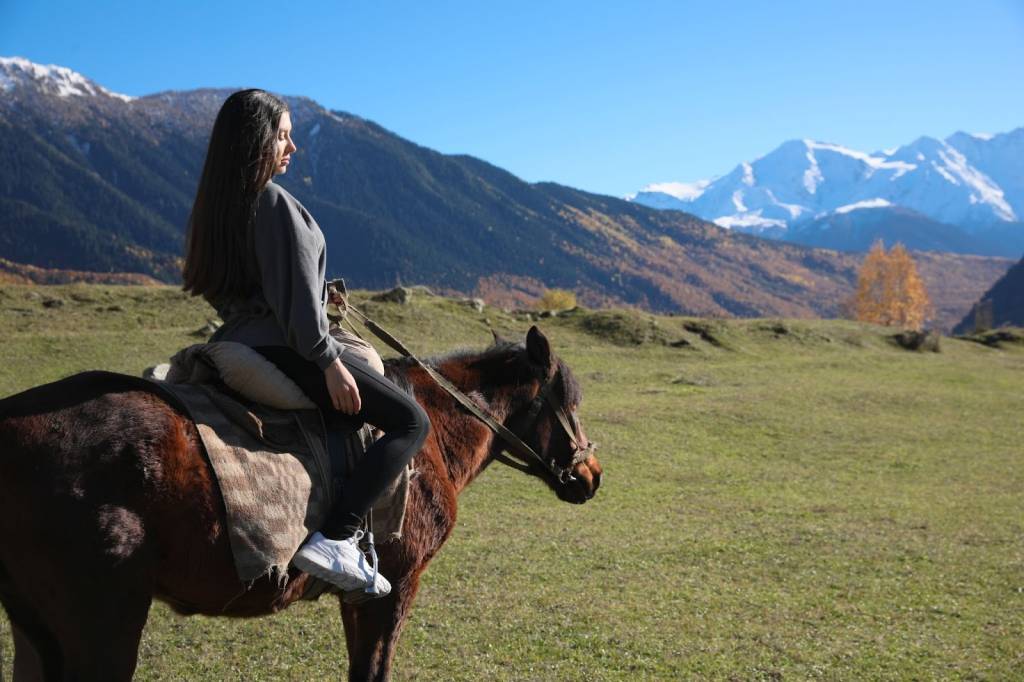
One of the most rewarding parts of horseback riding tours involves the scenery along the trail. Riders often pass through forests, grasslands, or quiet countryside paths. Some trails reveal open views of valleys, lakes, or distant hills. Wildlife occasionally appears near the trail, especially in quieter environments. Guides sometimes share stories about the land, animals, or local history. These details help riders connect more deeply with the place they are visiting. The peaceful setting often becomes the highlight of the ride.
What to Wear on Horseback Riding Tours
Comfortable clothing enhances the entire horseback-riding experience. Riders spend extended time in the saddle while the horse moves steadily along the trail. Proper clothing reduces discomfort and allows riders to move naturally. Tour operators often provide guidance on what guests should wear before arriving.
Comfortable Clothing for Trail Riding
Long pants protect from saddle friction and brush along the trail. Many riders choose jeans or flexible riding pants for comfort. Closed-toe shoes with a small heel help keep feet stable in the stirrups. Sneakers sometimes work, although boots often provide better grip. Riders should avoid loose clothing that might catch on equipment. Weather conditions may also affect clothing choices during the ride. Light layers work well because outdoor temperatures can change.
Helmets and Protective Equipment
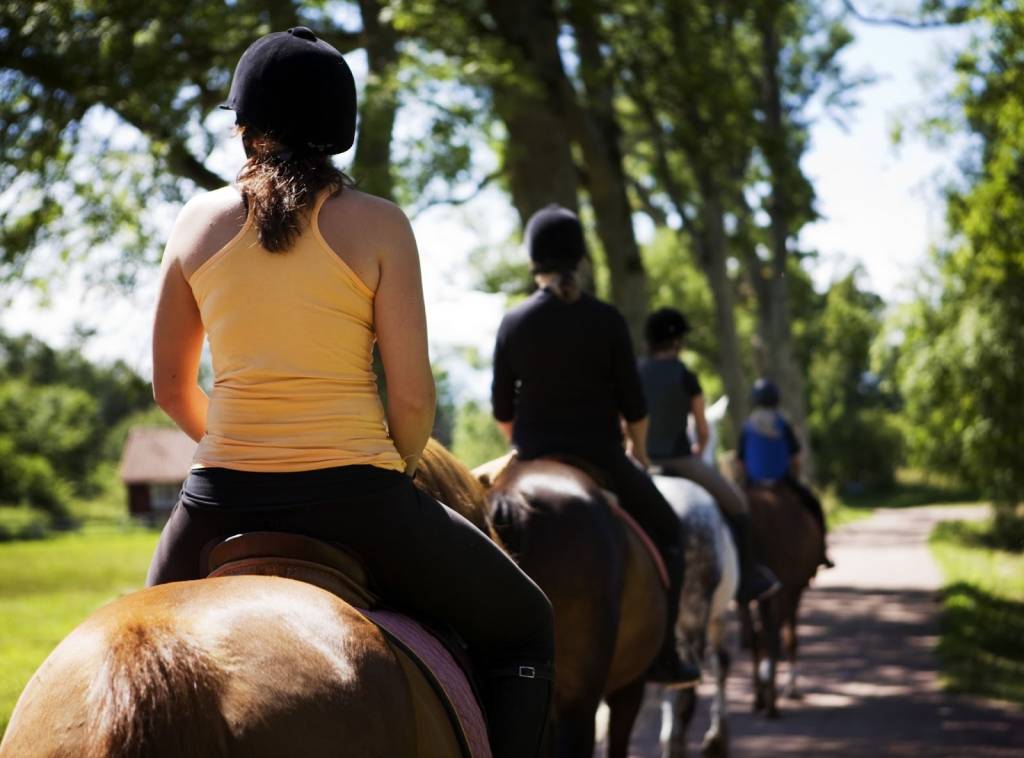
Most horseback riding tours provide helmets for safety. Riders should wear their helmets snugly to keep them stable while riding. Guides often check the helmet fit before riders mount their horses. Helmets protect riders in the rare event of a fall. Some locations also provide protective vests for younger riders. Although experienced riders sometimes skip helmets elsewhere, tours usually require them. These precautions create a safer environment for everyone on the trail.
Small Items Riders May Bring
Riders sometimes carry small personal items during the tour. A small backpack or saddle bag may hold water or sunscreen. Many riders bring a phone or a small camera for photos. However, devices should remain secured to prevent them from being dropped on the trail. Guides usually recommend keeping belongings to a minimum to ensure a comfortable ride. Loose items can distract riders or startle horses if they move suddenly. Simple preparation keeps the experience smooth and enjoyable.
Safety Practices During Guided Horseback Tours
Guided riding tours rely on well-organized safety procedures throughout the experience. Professional guides remain attentive to both riders and horses during the entire ride. Clear communication keeps the group moving smoothly along the trail. Riders who follow instructions contribute greatly to a safe and pleasant outing.
How Guides Manage Safety on the Trail
Guides position themselves at the front or back of the riding group. This placement allows them to observe horses and riders closely. They maintain steady spacing between horses to prevent crowding on narrow trails. Guides also monitor rider posture and offer gentle reminders when adjustments help stability. If a horse becomes restless, the guide calmly addresses the situation. Their experience helps keep the group relaxed and organized. Riders benefit from this steady supervision throughout the ride.
Rider Responsibilities While Riding
Riders share responsibility for maintaining safety during horseback riding tours. Listening carefully to the guide remains one of the most important actions. Riders should keep both hands ready to manage the reins when necessary. Maintaining a relaxed posture helps the horse move comfortably along the trail. Riders should also avoid sudden movements that might startle the horse. Respecting the animal’s space and behavior builds trust during the ride. This calm cooperation improves the overall experience.
Why Horseback Riding Tours Leave Lasting Memories
Horseback riding offers a rare chance to experience nature at a calm and thoughtful pace. Unlike fast travel methods, riding encourages people to notice quiet details in the landscape. The bond between rider and horse also adds a personal dimension to the journey. Many travelers remember these rides long after their trip ends.
Connection Between Riders and Horses
Spending time with horses often fosters a gentle connection between the animal and the rider. Horses respond to calm behavior and clear guidance from their riders. Many riders enjoy simple moments like quietly petting their horse before or after the ride. These small interactions help riders feel more comfortable around the animals. As the ride continues, people begin trusting their horse’s steady movements. Riders often notice how horses react to sounds, terrain, and nearby wildlife. This growing awareness builds appreciation for the horse’s intelligence and calm nature.
Ideal Moments for Horseback Riding Experiences
Horseback riding tours suit many travel situations and outdoor plans. Families often choose short rides during vacations in rural destinations. Couples sometimes enjoy sunset rides for a relaxed, scenic outing. Friends may book group trail rides during outdoor adventures. Ranch resorts often include horseback riding among their guest activities. These tours appeal to people seeking both relaxation and gentle adventure. The experience often becomes one of the most memorable moments of a trip.
Book a Horseback Riding Tour and Ride the Trail
Horseback riding tours offer a refreshing way to explore landscapes while forming a quiet bond with horses. The experience blends outdoor scenery, gentle adventure, and meaningful interaction with animals. Riders who understand the process often approach their first ride with greater confidence. A well-guided trail ride can turn an ordinary day outdoors into a story worth remembering. Planning a horseback riding tour soon allows riders to experience nature from a calm and memorable perspective.
Great trail rides begin with good preparation. Read more guides and expert advice on the Rancho DM Horse Club blog before planning your next horseback riding tour.