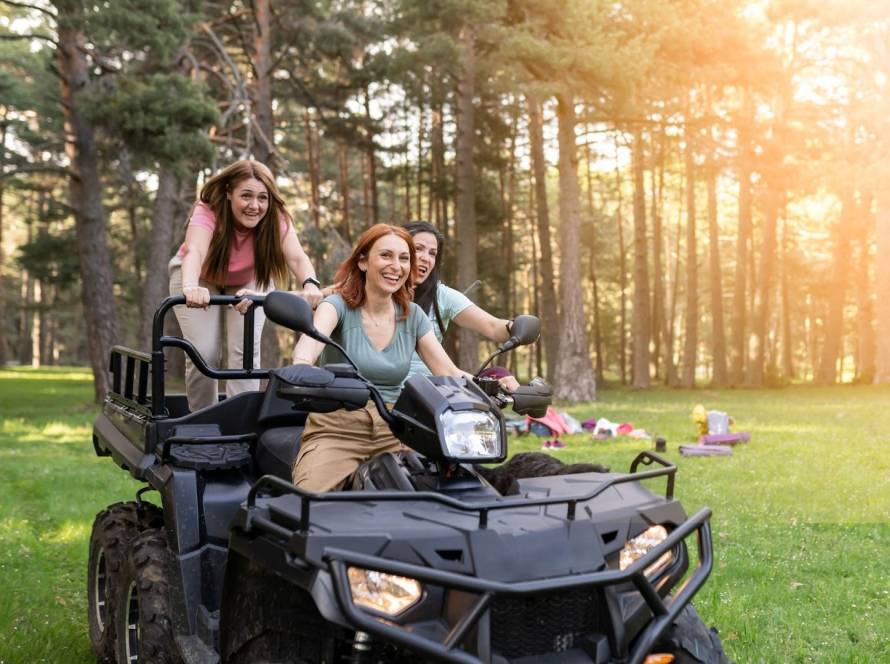
]Many outdoor enthusiasts enjoy riding vehicles capable of handling rough terrain and open trails. Off-road machines allow riders to explore forests, farmland paths, and rugged landscapes with freedom. However, powerful recreational vehicles demand careful handling and responsible riding habits. Without proper awareness, uneven terrain and high speeds can quickly create dangerous situations. Riders who understand safety practices can enjoy longer and safer adventures with ATV four-wheelers.
Risks Associated With ATV Four-Wheelers
ATV four-wheelers carry inherent risks because riders operate them on uneven outdoor terrain. This vehicle design leaves the rider fully exposed, unlike the protective frame common in cars. Additionally, the machine reacts strongly to weight shifts, sudden steering changes, and unstable ground. Understanding these risks helps riders anticipate hazards and make smarter decisions on trails.
Why ATV Four-Wheelers Require Riding Skills
ATVs require active body control from the rider during operation. This riding technique involves shifting body weight to stabilize the vehicle during turns or climbs. Riders who keep their weight centered improve balance and traction on uneven surfaces. Additionally, sudden steering or braking can quickly shift the vehicle’s center of gravity. Many accident reports from the U.S. Consumer Product Safety Commission list rollovers as a common cause of injury. Skilled riders learn how to position their body correctly and maintain steady control across challenging terrain.
Common Causes of ATV Accidents
ATV accidents often occur when riders travel too quickly for the surrounding terrain. This behavior reduces reaction time when obstacles appear on narrow or uneven trails. Riders also increase risk when they carry passengers on machines designed for one rider. Additionally, alcohol use and distracted riding weaken coordination and judgment. Poor trail visibility during dusk or fog further increases the likelihood of collisions. Recognizing these causes helps riders adjust their behavior before hazards escalate.
Environmental Factors That Increase Risk
Outdoor terrain introduces environmental conditions that affect ATV control. This terrain may include loose gravel, mud, sand, or wet grass, all of which reduce traction. Weather conditions also shift trail stability and visibility during a ride. For example, heavy rain can soften soil and create deep ruts across trails. Wildlife movement may also surprise riders in forest or rural areas. Observant riders continuously monitor their surroundings and adjust their speed to maintain safe control.
Protective Gear for ATV Four-Wheeler Riders
Protective gear shields ATV riders from injuries caused by falls, debris, and rough terrain. This protective equipment works as a physical barrier between the rider and external hazards. Additionally, well-designed riding gear improves grip, comfort, and control during longer trips. Safety organizations such as the ATV Safety Institute strongly recommend wearing complete protective gear on every ride.
Helmets Protect Riders From Head Injuries
Helmets protect riders from severe head injuries during falls or collisions. This protective equipment absorbs impact energy and spreads force across the helmet shell. Riders who wear certified helmets dramatically reduce the risk of fatal injury. Additionally, full-face helmets protect the jaw and face from branches or debris. Many safety studies highlight helmets as the most effective protective item for ATV riders. Choosing a properly fitted helmet improves comfort and encourages consistent use.
Protective Clothing Reduces Injury Risk
Protective clothing reduces injuries caused by branches, rocks, and trail debris. This clothing typically includes long sleeves, reinforced pants, and padded riding jackets. Durable fabrics shield the skin during minor falls or sudden contact with vegetation. Additionally, reinforced padding around elbows and knees helps absorb light impacts. Riders who wear proper apparel experience greater comfort on longer rides. Comfortable riders stay focused and maintain stronger control of the ATV.
Gloves, Goggles, and Boots Improve Control
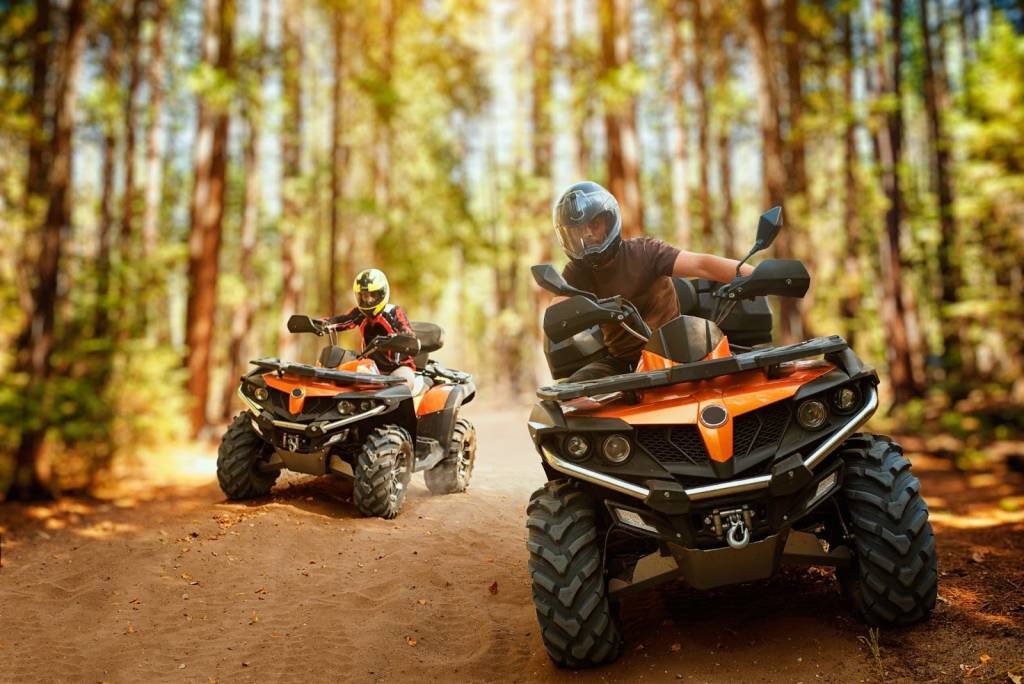
Gloves, goggles, and boots support rider stability and visibility during off-road travel. This protective gear protects sensitive areas that are constantly exposed to debris. Goggles prevent dust, insects, and small stones from obstructing vision. Additionally, gloves strengthen grip on handlebars during long or bumpy rides. Strong boots support ankles and provide a secure footing on ATV footrests. Riders who use full protective gear maintain stronger control across changing terrain.
Safe Riding Habits for ATV Four-Wheelers
Safe riding habits reduce accidents and protect riders across varying terrain conditions. This riding approach focuses on controlled speed, balanced posture, and careful trail awareness. Experienced riders follow consistent techniques that improve stability and machine handling. Practicing these habits regularly builds confidence and long-term riding safety.
Speed Control Improves ATV Stability
Speed control allows riders to react safely to obstacles and terrain changes. This riding discipline gives the rider more time to steer or brake when hazards appear. Fast riding increases the risk of rollover when the ATV encounters uneven ground. Additionally, moderate speeds help riders maintain balance during turns or narrow trail sections. Experienced riders match their speed with terrain difficulty and visibility. Controlled speed creates smoother and safer ATV operation.
Techniques for Hills and Uneven Terrain
Hill riding requires careful balance and steady throttle management. This riding technique involves leaning forward while climbing steep slopes. The forward body position keeps the ATV balanced and prevents it from tipping backward. Riders should lean slightly backward during downhill travel to maintain traction. Additionally, gradual braking helps maintain tire grip on loose soil. Controlled posture improves safety when navigating steep terrain.
Avoiding High-Risk Riding Behavior
High-risk riding behaviors often lead to preventable ATV accidents. This behavior includes aggressive turning, sudden acceleration, and stunt riding. Riders sometimes attempt difficult terrain without proper experience or preparation. Additionally, alcohol use significantly weakens reaction time and judgment. Safety organizations regularly warn riders not to operate ATVs under the influence. Responsible riders stay alert and focused during every ride.
Safe Group Riding on ATV Trails
Group riding offers social enjoyment but requires coordination and clear trail awareness. This riding arrangement works best when riders maintain safe spacing between vehicles. Close riding distances increase the risk of collisions during sudden stops. Additionally, group leaders often communicate trail hazards to riders behind them. Clear signals and moderate speeds keep groups organized and safe. Structured riding practices help prevent confusion on busy trails.
ATV Maintenance and Pre-Ride Checks
ATV maintenance protects riders by keeping machines reliable and responsive. This maintenance routine includes checking mechanical systems before each ride. A well-maintained ATV responds quickly to rider input and terrain changes. Regular inspection prevents mechanical failures that could lead to accidents.
Checking Tires, Brakes, and Steering
Tires, brakes, and steering systems control how an ATV handles rough terrain. This mechanical inspection begins with confirming proper tire pressure. Low pressure reduces steering accuracy and increases the risk of rollover. Riders should also test brake response before entering trails. Additionally, handlebars must turn smoothly without unusual resistance. Proper control systems allow riders to react quickly during unexpected trail conditions.
Engine Fluids and Fuel System Checks
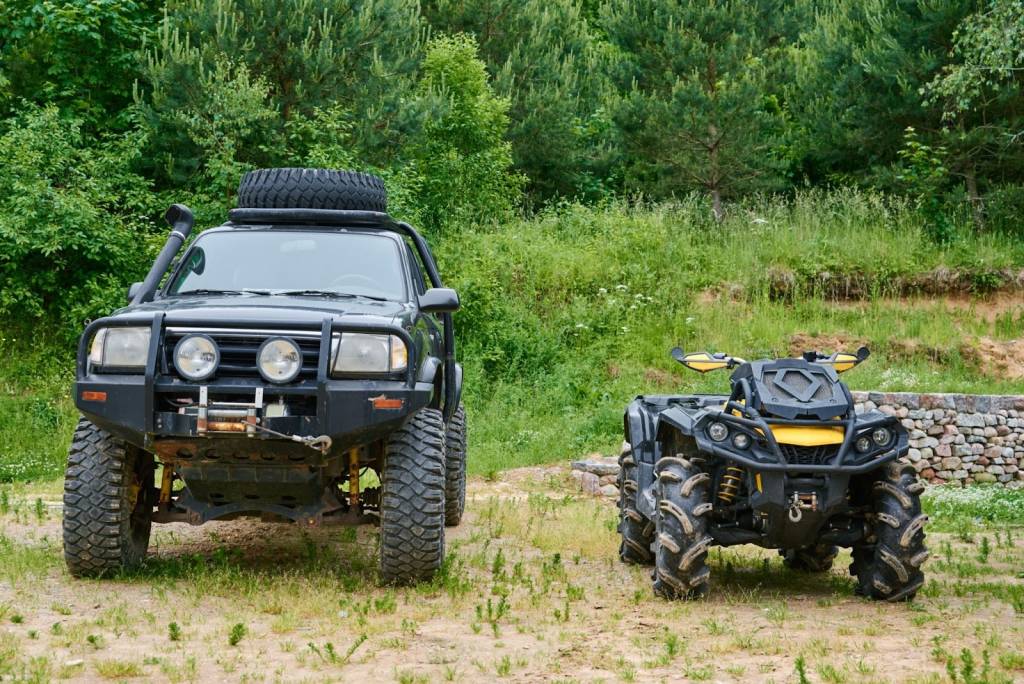
Engine fluids support the safe operation of ATV four-wheelers. This inspection involves checking oil, coolant, and fuel levels and conditions. Low oil levels can lead to overheating or engine damage during long rides. Riders should also inspect fuel lines for leaks or blockages. Additionally, clean fuel helps the engine maintain steady power output. A healthy engine improves throttle control and mechanical reliability.
Recognizing Warning Signs of Mechanical Issues
Mechanical warning signs often appear before serious ATV failures. This warning signal may include unusual engine noise or unexpected vibration. Riders should stop and inspect the machine when they hear unusual sounds. Additionally, loose steering or delayed braking may indicate worn components. Ignoring these signs increases the chance of breakdowns on remote trails. Prompt maintenance keeps the vehicle dependable and safer to operate.
Age Guidelines and ATV Rider Training
Age guidelines and safety training shape responsible ATV operation. This rider preparation helps individuals understand vehicle control and outdoor hazards. Many ATV manufacturers recommend age-specific machines for younger riders. Training programs teach practical riding techniques that reduce the risk of accidents.
Age Recommendations for ATV Operation
Age recommendations help families select appropriate ATV models. This guidance considers the rider’s size, strength, and coordination. Younger riders may struggle to safely control full-size machines. Smaller ATVs allow beginners to gradually learn balance and throttle control. Additionally, proper vehicle size improves comfort and maneuverability. Responsible equipment selection creates safer learning conditions.
Benefits of ATV Safety Training Courses
Safety training courses teach riders practical skills for real trail conditions. This training often includes braking techniques, balance control, and hazard awareness. Professional instructors guide riders through controlled exercises that build confidence. Additionally, many training programs follow standards set by organizations such as the ATV Safety Institute. Participants often report improved control and safer riding decisions after training. Structured education strengthens both skill and awareness.
Teaching Responsible Habits to Young Riders
Young riders learn safety habits through guidance and consistent supervision. This learning process begins with clear rules about speed and riding locations. Adults should model responsible riding behavior during every outing. Additionally, riders must learn to respect wildlife, trails, and other outdoor users. Teaching these habits early builds a culture of responsible recreation. Safe habits developed in youth often continue throughout adulthood.
Terrain Awareness for ATV Four-Wheelers
Terrain awareness helps riders adapt to changing outdoor environments. This awareness allows riders to anticipate hazards and adjust riding techniques. Different landscapes demand different speeds, balance positions, and steering approaches. Riders who observe terrain maintain better control of their ATV.
Riding Safely on Trails, Mud, and Sand
Trail surfaces vary widely across forests, deserts, and farmland routes. This terrain variety affects tire grip and steering control during travel. Mud reduces traction and can unexpectedly trap ATV tires. Sand requires smooth throttle control to prevent wheel digging. Additionally, narrow forest trails demand precise steering around rocks and roots. Careful observation of surface conditions keeps riders prepared for terrain changes.
Weather Conditions That Affect ATV Riding
Weather conditions influence how safely riders navigate outdoor terrain. This environmental factor may include rain, strong wind, or sudden temperature shifts. Wet soil reduces tire traction and increases the risk of sliding. Riders should monitor forecasts before traveling long distances on trails. Additionally, cold conditions may hide icy patches on shaded ground. Adjusting riding plans based on weather improves safety.
Respecting Wildlife and Natural Landscapes
Responsible ATV riding includes respect for wildlife and natural landscapes. This responsibility helps protect ecosystems and maintain public access to trails. Wildlife may cross paths suddenly, creating hazards for both animals and riders. Riders should slow down in forested or wildlife-populated areas. Additionally, avoiding fragile vegetation preserves trails for future riders. Respectful riding supports long-term outdoor recreation.
Ride Responsibly With ATV Four-Wheelers Today
Responsible ATV riding protects lives, communities, and outdoor landscapes. This commitment includes proper gear, training, careful maintenance, and thoughtful trail behavior. Riders who practice safe habits reduce accidents and strengthen the reputation of responsible off-road recreation. Families and travelers can also enjoy safer outdoor experiences during weekend trips or rural vacation adventures. Every careful decision on the trail helps keep ATV four-wheelers a safe and enjoyable part of outdoor vacations and recreation.
Discover more outdoor riding tips, trail guidance, and safety advice on the Rancho DM Horse Club blog—your resource for responsible adventures.