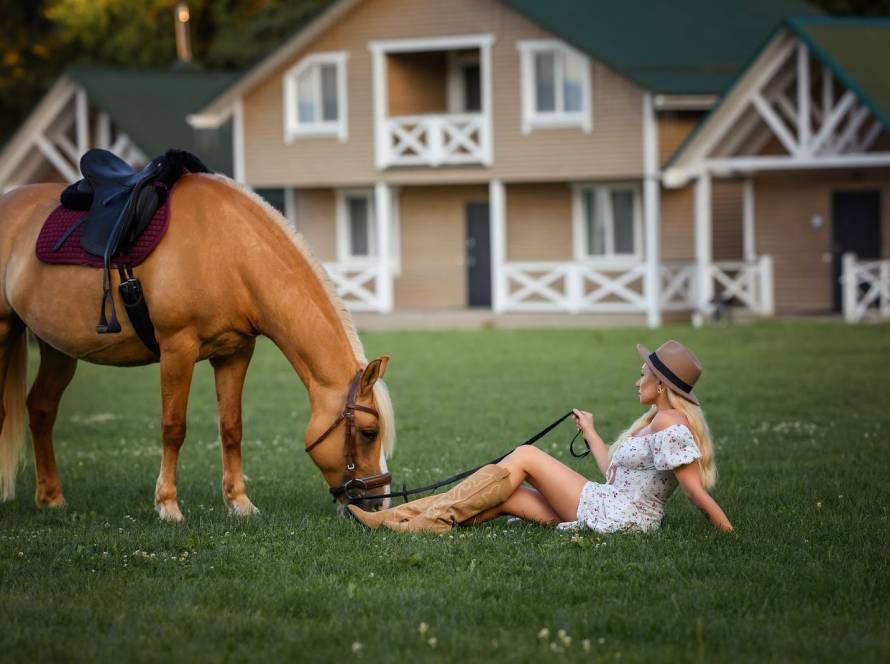
Horseback riding offers more than recreation. It creates a connection with nature while building confidence and practical skills. Many travelers and residents look for activities that combine learning with memorable experiences. Riding instruction provides that balance through guided practice and meaningful interaction with horses. The Dominican Republic stands out as an appealing destination because it pairs quality equestrian training with remarkable natural surroundings and a welcoming riding culture.
Why Choose Horseback Riding Lessons in the Dominican
Choosing where to learn horseback riding can shape both progress and enjoyment. Some locations offer basic instruction, while others provide a more rewarding experience. Riders often look for quality training, memorable surroundings, and opportunities to build confidence. These advantages explain why many people choose horseback riding lessons in the Dominican Republic.
Diverse Landscapes Improve Riding Skills
The Dominican Republic offers varied terrain that creates a dynamic learning environment. Riders gain experience across different settings rather than practicing in a single location. This variety supports skill development and keeps lessons engaging.
Exposure to Real Riding Conditions
Riding in different environments teaches skills that controlled arenas cannot always provide. Students learn how to respond to changing ground conditions and natural obstacles. These experiences improve awareness and decision-making during lessons. Riders also develop stronger communication with their horses. Practical exposure helps prepare students for future riding opportunities. The learning process feels more authentic and rewarding.
Coastal Trails Build Rider Confidence
Beachside routes provide open spaces that help riders become comfortable in the saddle. The calming sound of waves often reduces nervousness during lessons. Instructors can focus on posture, balance, and communication with the horse. Riders also learn how horses respond to changing environments. These experiences encourage adaptability during future rides. Confidence grows naturally through repeated practice in scenic surroundings.
Mountain Paths Encourage Better Control
Mountain trails introduce changes in elevation and footing conditions. Riders learn how to guide horses carefully across different surfaces. This training develops awareness and improves decision-making during rides. Students gain practical experience managing pace and direction. Instructors explain how terrain influences horse movement and behavior. These lessons create stronger riding habits that remain valuable long after training ends.
Professional Instruction for All Levels
Quality instruction shapes the overall riding experience. Many equestrian centers offer programs designed for beginners and experienced riders alike. Students receive guidance that matches their current abilities and goals. This personalized approach creates steady improvement without unnecessary pressure.
Personalized Learning Creates Better Results
Every rider enters training with different strengths and expectations. Instructors adjust lessons according to experience and comfort levels. This approach allows students to build skills at a practical pace. Riders receive support in areas that need the most attention. Individualized instruction often leads to faster progress. Students gain confidence through achievable milestones and consistent feedback.
Structured Lessons Support Progress
Well-organized riding programs follow a logical learning sequence. Students master basic skills before moving to advanced techniques. Instructors monitor performance and adjust lessons when needed. This approach helps riders understand each stage of development. Consistent practice creates measurable improvement over time. Students often feel motivated because they can see their progress clearly.
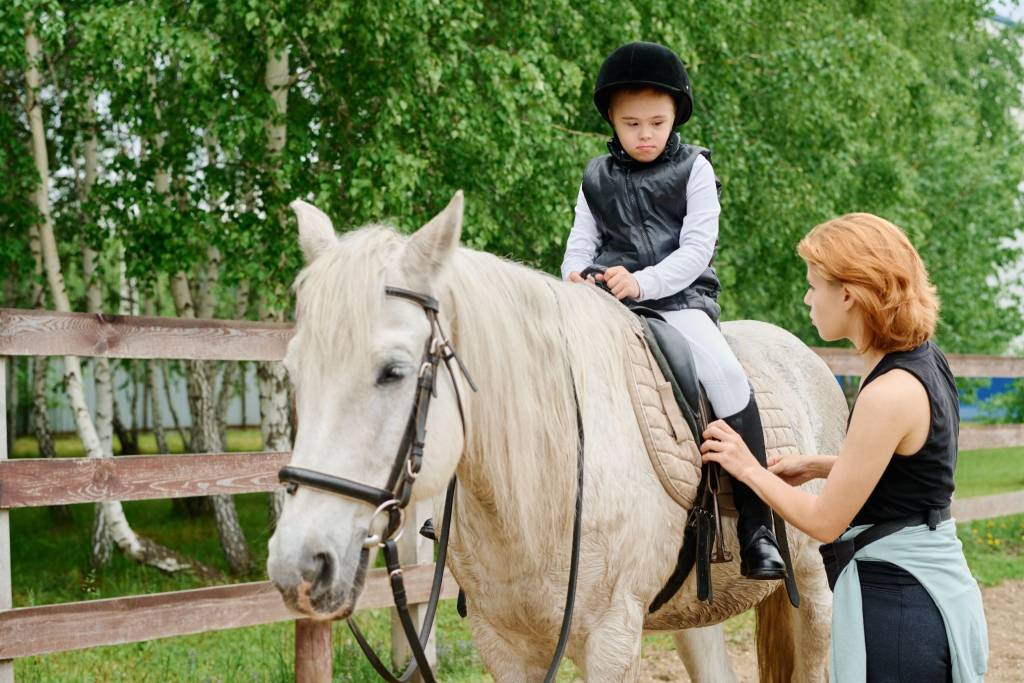
Experienced Trainers Offer Practical Guidance
Qualified instructors bring valuable knowledge from years of working with horses. They understand common challenges and effective teaching methods. Riders receive immediate feedback during each lesson. This guidance helps correct mistakes before they become habits. Trainers also share insights about horse behavior and safety practices. Students benefit from a learning experience built on real-world expertise.
Strong Focus on Horse and Rider Safety
Training facilities often follow established procedures that protect both riders and horses. Students learn safe practices from their first lesson onward. This commitment creates a comfortable environment for learning.
Professional Standards Build Trust
Riders feel more comfortable when safety procedures remain consistent. Reputable schools maintain equipment and carefully monitor horse welfare. Instructors supervise lessons closely and address concerns promptly. These practices create a secure environment for learning. Students can focus on developing skills without unnecessary distractions. Confidence grows when safety remains part of every lesson.
Safety Education Begins Early
New riders learn proper mounting and dismounting techniques from the start. Instructors explain how to approach and handle horses respectfully. Students also learn how to recognize common horse behaviors. This knowledge reduces uncertainty and promotes safer interactions. Riders become more confident because they understand what to expect. Strong safety habits support long-term enjoyment of the sport.
Opportunities to Connect With Nature
Horse riding creates opportunities to reconnect with natural environments in meaningful ways. Riders travel through areas that reveal local beauty and wildlife. These experiences add depth to every lesson.
Natural Settings Enhance Every Ride
Outdoor environments create a different experience from traditional recreational activities. Riders become more aware of their surroundings during each lesson. Changing scenery keeps training sessions fresh and engaging. Time spent outdoors often improves focus and enjoyment. Students appreciate the balance between learning and exploration. These experiences create lasting memories beyond riding instruction.
Outdoor Learning Feels More Engaging
Traditional fitness activities often take place indoors. Riding lessons place students directly within natural surroundings. Fresh air and changing scenery make each session feel unique. Many visitors pair riding lessons with a stay in a nearby vacation rental, creating more opportunities to enjoy the surrounding landscapes between sessions. Riders stay mentally engaged throughout the experience. Natural environments also create opportunities for observation and exploration. Learning becomes more enjoyable when the setting feels inspiring.
Cultural Experiences Beyond the Arena
Training programs can introduce riders to cultural perspectives connected to equestrian activities. These experiences create a deeper appreciation for the destination. Students leave with memories that extend beyond technical instruction.
Local Heritage Adds Meaning to Lessons
Learning about local traditions gives riders a broader perspective. Horses have long held an important place within many communities. Cultural insights often complement practical riding instruction. Students gain a deeper appreciation for the people and places around them. These connections create a richer learning experience. The activity becomes more memorable and personally rewarding.
Local Traditions Enrich Lessons
Many communities maintain long-standing relationships with horses. Riders gain insight into how horses support daily life and local traditions. Instructors sometimes share stories that highlight regional equestrian heritage. These conversations add context to practical training. Students gain a broader understanding of horse culture. Learning feels more meaningful when connected to local history.
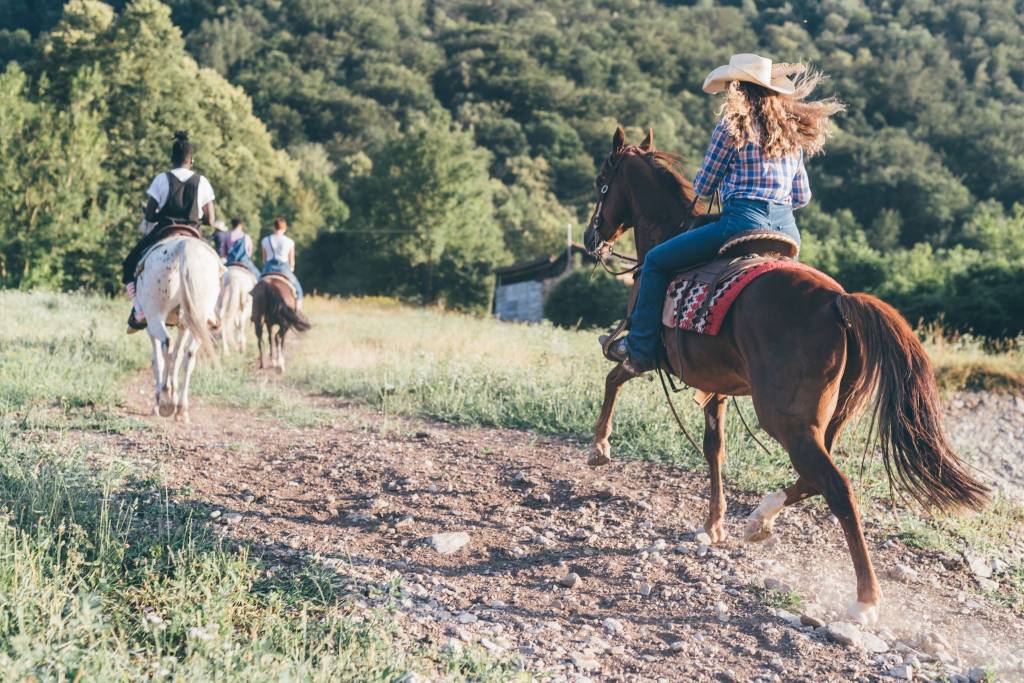
Physical and Mental Wellness Benefits
Regular horse riding lessons encourage physical activity while supporting mental well-being. Riders develop skills that contribute to overall health. The combination of movement and focus creates lasting value.
Exercise Feels More Enjoyable on Horseback
Many people struggle to stay motivated with routine workouts. Riding offers physical activity. Students remain active while concentrating on skill development. This combination often makes exercise feel less repetitive. Consistent participation supports overall fitness goals. Riders benefit physically without feeling confined to traditional exercise methods.
Riding Strengthens Balance and Coordination
Maintaining a position in the saddle engages multiple muscle groups. Riders develop balance through controlled movement and body awareness. Coordination improves as students learn to communicate with their horses. Consistent practice strengthens core stability and posture. These physical improvements often support other daily activities. Students notice progress through both riding performance and overall fitness.
Time With Horses Reduces Stress
Many people find horses calming and approachable. Riding requires concentration, which helps shift attention away from daily concerns. Time spent outdoors adds another positive element to the experience. Students often describe feeling refreshed after lessons. Regular interaction with horses can support emotional well-being. This benefit makes riding attractive for people seeking healthy recreational activities.
Flexible Programs for Different Goals
People pursue riding instruction for many reasons. Some seek recreational experiences while others aim to develop advanced skills. Riding schools often accommodate a wide range of objectives. This flexibility makes equestrian education accessible to diverse participants.
Options Match Different Riding Ambitions
Students often begin lessons with unique goals in mind. Some want a relaxing outdoor activity, while others seek advanced training. Flexible programs allow instructors to support both paths effectively. Riders can adjust their learning journey as interests evolve. This adaptability keeps training relevant and rewarding. Participants receive an experience aligned with their personal objectives.
Beginner Programs Welcome New Riders
Many newcomers feel uncertain before their first lesson. Beginner-focused programs introduce concepts gradually and clearly. Instructors explain each step and provide supportive guidance. Students learn at a pace that feels comfortable and manageable. Early successes encourage continued participation. These programs create a positive introduction to horseback riding.
Advanced Riders Continue Developing Skills
Experienced riders also benefit from specialized instruction. Advanced programs often focus on technique refinement and performance goals. Instructors provide targeted feedback based on individual strengths and weaknesses. Students gain opportunities to challenge themselves in new ways. Continued learning keeps riding rewarding and engaging. Skill development remains an ongoing process regardless of experience level.
Experience Horseback Riding Classes in the DR
Horseback riding classes in the Dominican Republic offer far more than basic riding instruction. Students gain practical skills while exploring diverse landscapes and connecting with experienced trainers. Each lesson combines learning, outdoor adventure, and personal growth in a way few activities can match. Choosing the right program today can lead to rewarding experiences that continue long after the final ride.
Every great rider starts with knowledge. Explore the Rancho DM Horse Club blog for expert guidance, equestrian inspiration, and practical information designed to support your riding journey.