Dominican foods bring bold flavors shaped by history, climate, and daily traditions. Each dish reflects a mix of cultures that influenced cooking styles over generations. Travelers often remember these meals as clearly as the places they visit during a vacation. Local cuisine connects people through shared experiences and familiar ingredients. Exploring these flavors adds depth to any vacation and leaves a lasting impression.
Cultural Roots of Dominican Foods
Dominican foods reflect a blend of historical influences and local traditions that shape everyday meals. These culinary roots come from Indigenous, Spanish, and African communities that introduced diverse ingredients. Cooking methods passed through generations continue to guide modern recipes. This cultural foundation helps explain why dishes feel both familiar and unique.
Cultural Influences in Dominican Cuisine
Dominican cuisine combines Taíno, Spanish, and African culinary traditions into a cohesive style. The Taíno people introduced cassava, corn, and early cooking methods that remain relevant today. Spanish settlers introduced rice, meats, and oils, expanding the variety of meals. African traditions brought bold seasoning and slow-cooking techniques that enhanced flavor depth. This cultural blend created dishes with layered textures and balanced taste profiles. Many recipes still reflect this history, offering insight into the country’s evolving identity.
Fresh Ingredients in Dominican Cooking
Dominican foods rely heavily on fresh, locally sourced ingredients that shape flavor and quality. Markets supply plantains, rice, beans, and tropical fruits used in daily meals. Herbs like cilantro and oregano help build balanced seasoning without overwhelming dishes. This ingredient focus keeps meals simple while maintaining strong flavors. Seasonal produce influences what people cook and how recipes adapt over time. Many chefs and home cooks follow these practices, supported by regional food traditions and agricultural data.
Top Dominican Foods Worth Trying Today
Dominican foods offer more than flavor, as they reflect daily habits and cultural pride in every bite. Meals often combine simple ingredients with time-tested cooking methods that build depth and consistency. These dishes continue to attract travelers seeking authentic, satisfying experiences. Each featured dish reveals how tradition, technique, and local ingredients come together to shape a memorable culinary identity.
Classic Caribbean Dishes to Try
Dominican foods include staple dishes that represent everyday meals and traditional gatherings. These meals often feature hearty portions with simple yet bold flavors. Locals prepare these recipes at home, in restaurants, and at community events. This variety allows visitors to experience authentic cuisine in many settings.
La Bandera Dominican Dish
La Bandera Dominicana refers to a plate of rice, beans, meat, and salad served together. This dish reflects daily eating habits and offers a balanced mix of nutrients and flavors. Families prepare it regularly with slight variations depending on preference. The name connects to national identity through its symbolic colors. This meal provides comfort and familiarity, making it widely appreciated by locals. Many visitors find it an ideal introduction to Dominican foods due to its approachable taste.
Mangú Traditional Breakfast Dish
Mangú consists of mashed green plantains served with common savory toppings. This breakfast dish often includes eggs, fried cheese, onions, and salami for added flavor. The soft texture contrasts well with crispy and salty sides. This meal remains popular due to its simplicity and filling nature. Many households prepare it as part of their morning routine. Travelers often enjoy it as a satisfying start to the day.
Sancocho Caribbean Stew
Sancocho is a hearty stew made with multiple meats, vegetables, and herbs. This dish requires slow cooking to develop its rich and layered flavor. Families often prepare it during gatherings and special occasions. The broth thickens and becomes comforting, offering warmth with every serving. This tradition highlights communal cooking and shared meals among relatives. Many consider it one of the most beloved Dominican foods due to its depth and variety.
Pollo Guisado Chicken Dish
Pollo guisado features chicken cooked in a seasoned tomato-based sauce with vegetables. This dish includes garlic, peppers, and onions that build a savory flavor profile. Cooking involves slowly simmering ingredients to enhance flavor. This method creates tender meat and a rich sauce that pairs well with rice. Many families prepare it as a regular meal due to its affordability and ease. The dish reflects practical cooking methods that still deliver strong flavors.
Popular Street Foods and Snacks
Dominican cuisine also includes street snacks that offer quick, flavorful options for busy days. Vendors prepare these items fresh, often in public spaces or near beaches. These snacks provide a casual way to experience local flavors. This street food culture adds energy and accessibility to the overall cuisine.
Tostones and Maduros Plantains
Tostones come from green plantains that are cooked and fried twice for a crispy texture. This snack delivers a savory taste often paired with garlic sauce or salt. Maduros use ripe plantains, which impart a softer, sweeter flavor. This contrast allows people to enjoy both savory and sweet versions of the same ingredient. Vendors serve these snacks widely across cities and coastal areas. Many travelers appreciate their simplicity and satisfying crunch.
Empanadas Street Snack Favorites
Empanadas consist of dough filled with meat, cheese, or vegetables and then fried. This snack offers a crispy exterior and a warm, flavorful filling. Vendors sell them in busy areas, making them easy to find. This convenience makes empanadas a popular option for quick meals. Many variations exist, allowing people to try different flavors. The snack reflects practical street food culture while maintaining strong taste appeal.
Yaniqueques Crispy Beach Snack
Yaniqueques are thin, fried dough pieces often sold near coastal areas. This snack has a light texture and a slightly salty taste, which pairs well with simple toppings. Vendors sometimes add ketchup or cheese to enhance flavor. This dish reflects Caribbean and European influences in its preparation style. Many people associate it with relaxed beach settings and casual eating. The snack remains widely enjoyed due to its simplicity and affordability.
Traditional Desserts and Sweet Treats
Dominican foods include desserts that balance sweetness with familiar ingredients and textures. These treats often use milk, sugar, and tropical flavors in simple recipes. Many desserts are served at celebrations and family gatherings. This variety offers a satisfying way to end a meal.
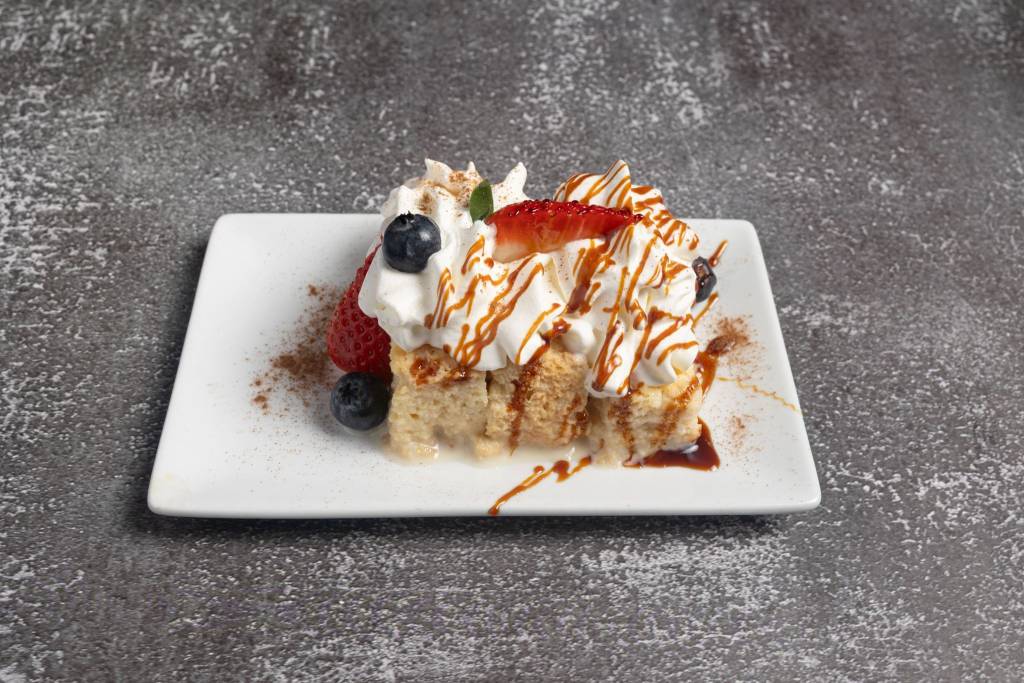
Tres Leches Cake Dessert
Tres leches cake is a sponge cake soaked in three types of milk, resulting in a moist texture. This dessert delivers a creamy taste without feeling too heavy. Bakers often add whipped cream as a topping for extra richness. This recipe reflects Spanish influence through its ingredients and preparation. Many celebrations include this cake due to its popular appeal. The dessert offers a smooth and balanced sweetness that many enjoy.
Flan Caramel Custard Dessert
Flan is a baked custard topped with a layer of caramel sauce. This dessert has a smooth texture that melts easily in the mouth. Ingredients include eggs, milk, and sugar, which create a simple yet rich flavor. This preparation method involves gentle baking to maintain consistency. Many restaurants serve flan as a standard dessert option. Its familiar taste makes it appealing to a wide audience.
Habichuelas con Dulce Tradition
Habichuelas con dulce is a sweet bean dessert made with coconut milk and spices. This dish appears mainly during the Lenten season and reflects strong cultural traditions. The flavor blends sweetness with mild earthy notes from the beans. This preparation often involves large batches shared among family and neighbors. Many people associate it with community and seasonal gatherings. The dessert highlights how Dominican foods connect culture and tradition.
Refreshing Drinks and Local Beverages
Dominican foods include beverages that complement meals and reflect local ingredients. These drinks focus on freshness and bold natural flavors. Many people enjoy them throughout the day in different settings. This beverage culture adds variety to the overall dining experience.
Morir Soñando Citrus Drink
Morir soñando is a drink made from orange juice, milk, and sugar served cold. This beverage requires careful mixing to prevent curdling and maintain a smooth texture. The flavor combines citrus freshness with creamy sweetness. Many locals enjoy it during warm weather for its refreshing qualities. This drink stands out due to its unusual ingredient combination. Visitors often find it both surprising and enjoyable.
Coffee Culture
Dominican coffee comes from locally grown beans known for their strong flavor and aroma. This drink plays a central role in daily routines and social interactions. People often serve coffee in small portions after meals. This preparation emphasizes richness and intensity in each cup. Many households treat coffee as part of their daily rhythm. The drink reflects both agricultural strength and cultural tradition.
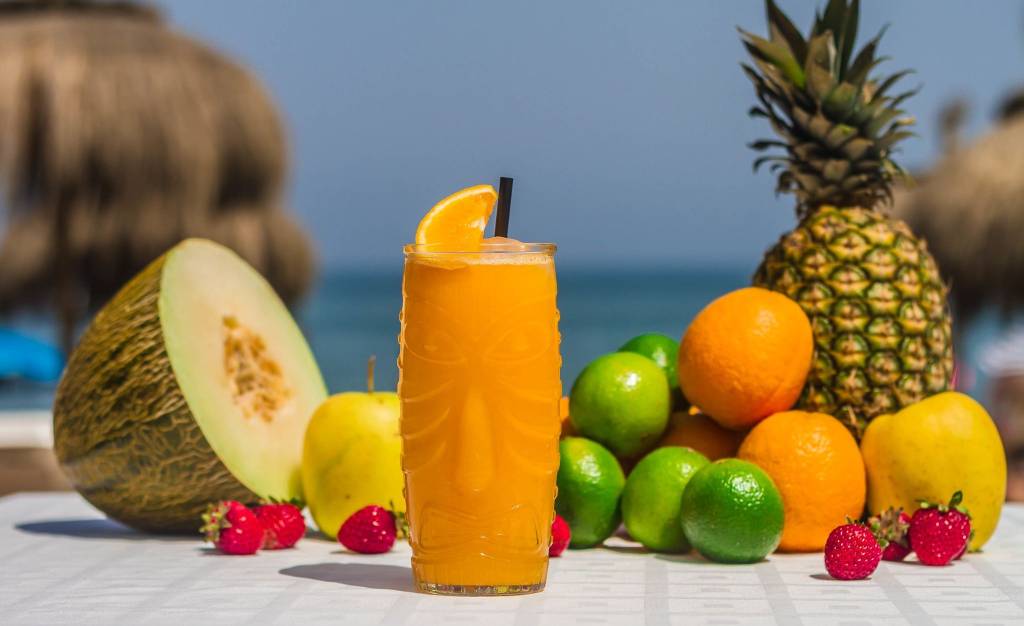
Fresh Tropical Juices Style
Fresh juices are made from fruits like mango, pineapple, and passion fruit, blended with water or milk. This beverage offers natural sweetness and refreshing qualities. Vendors prepare these drinks quickly using local produce. This accessibility makes them a popular choice among locals and visitors. Many people prefer them as a healthier option compared to processed drinks. The flavors highlight the region’s agricultural diversity and climate.
Experience Dominican Foods on Your Vacation
Dominican foods offer more than variety, as they invite you to connect with culture through real, everyday moments. Each dish carries a sense of place that becomes clearer with every bite. Choosing to explore these flavors during your vacation adds depth to your understanding of food and travel. Start seeking out these dishes in local spots or recreate them at home to keep that experience alive beyond your trip.
For deeper insights into Dominican foods and unforgettable travel ideas, visit the Rancho DM Horse Club blog and start planning with purpose.