
A visit to a petting zoo brings people closer to animals in a personal way. Families often seek these spaces for learning, connection, and simple enjoyment. However, close contact with animals at petting zoos requires awareness and thoughtful behavior. Every action, from feeding to touching, shapes how animals experience human presence. Respectful interaction builds safer, calmer environments where both visitors and animals feel at ease.
Understanding Animals at Petting Zoos
Animals in petting zoos behave according to instinct, not human expectations or entertainment value. These animals often come from farm or domesticated backgrounds, yet they respond differently from household pets. Visitors sometimes assume these animals enjoy constant attention, but that is not always true. Understanding behavior patterns helps prevent stress and improves interactions for everyone involved.
Differences Between Pets and Zoo Animals
Petting zoo animals differ from pets because they rely more on instinct than training. These animals often react based on comfort, past experiences, and environmental changes. Unlike dogs or cats, they may not seek affection or prolonged interaction with people. Visitors sometimes misread calm behavior as an invitation for continued contact. This misunderstanding leads to overstimulation, especially during busy visiting hours. Clear awareness of these differences supports safer and more respectful interactions.
Natural Behavior and Animal Responses
Animals at petting zoos respond quickly to changes in their surroundings. Sudden noise, fast movement, or crowding can trigger defensive reactions. These responses protect the animal rather than signal aggression or hostility. Visitors should observe posture, movement, and distance before approaching. This observation helps people adjust their behavior to match the animal’s comfort level. According to animal care guidelines from organizations such as the American Veterinary Medical Association, calm environments reduce stress and improve welfare.
Effects of Frequent Human Interaction
Frequent interaction affects animals physically and emotionally over time. These animals may become fatigued from repeated handling or feeding throughout the day. Visitors often overlook subtle stress signals because they focus on the experience. This pattern can lead to withdrawal, restlessness, or reduced responsiveness. Animal care professionals monitor these changes to maintain balanced environments. Respectful interaction reduces these effects and supports healthier daily routines.
Petting Zoo Etiquette and Safe Behavior
Proper etiquette defines how visitors should behave around animals in shared environments. These guidelines focus on safety, comfort, and mutual respect during every interaction. Many issues arise when excitement overrides awareness and control. Following simple behavioral principles creates a better experience for both visitors and animals.
Calm Approaches to Animals
Calm behavior helps animals feel secure and reduces the chance of sudden reactions. Visitors should walk slowly and avoid quick gestures near enclosures. Loud voices or running can startle animals and create tension. This approach allows animals to naturally observe and adjust to human presence. Allowing animals to move closer on their own terms builds trust. Consistent calm behavior improves interaction quality across all age groups.
Respecting Animal Space and Limits
Animals need space to move freely and feel safe within their environment. Visitors often move too close without noticing signs of discomfort. This behavior can lead to defensive reactions, such as stepping back or turning away. Maintaining a respectful distance allows animals to control their level of interaction. This awareness reduces stress and prevents unnecessary contact. Clear boundaries create a calmer environment for both animals and visitors.
Safe and Gentle Touching Methods
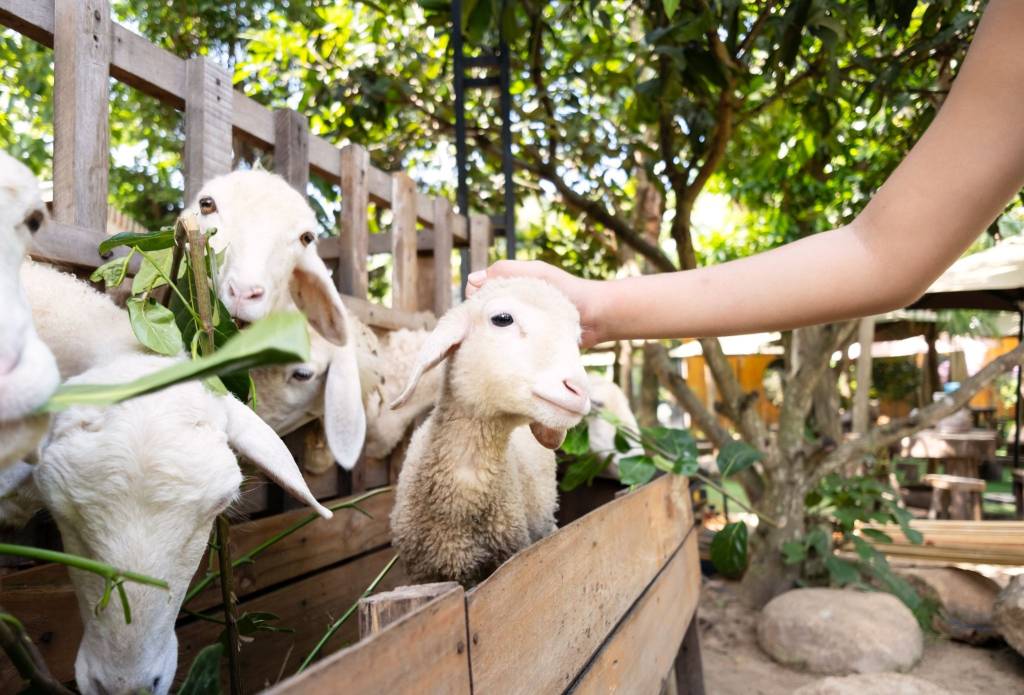
Safe touching emphasizes gentle contact and careful observation of the animal’s reactions. Visitors should use slow, steady movements when reaching toward animals. Many animals respond better to touch along their backs or sides. This technique avoids sensitive areas, such as faces, tails, or legs, unless directed by staff. Watching how an animal reacts helps guide each interaction. When animals pull away, stopping immediately shows respect for their comfort.
Feeding Animals Responsibly at Zoos
Feeding animals at petting zoos requires following health guidelines and maintaining proper behavior. These feeding practices protect animals from digestive issues and long-term harm. Visitors often view feeding as harmless, yet it carries responsibility. Following approved methods supports animal well-being and maintains safe interactions.
Approved Food for Petting Zoo Animals
Petting zoos provide specific food designed for animal health and nutrition. These approved options support proper digestion and prevent harmful reactions. Visitors should never offer outside food, even in small amounts. This restriction exists because many common foods can harm livestock and small animals. According to CDC animal welfare data, improper feeding increases health risks in public animal settings. Following these rules helps maintain balanced diets for animals.
Avoiding Overfeeding and Crowding
Overfeeding occurs when visitors give animals more food than recommended. Animals may continue eating even when they no longer need food. This behavior can lead to discomfort, weight issues, or digestive problems. Crowding around feeding areas also increases stress and competition among animals. Visitors should take turns and offer small portions when allowed. This balanced approach keeps feeding safe and controlled.
Hygiene During Feeding Interactions
Clean feeding practices reduce health risks for both animals and visitors. Visitors should hold food properly and avoid dropping it on the ground. This habit prevents contamination and accidental ingestion of unsafe materials. Washing hands after feeding helps remove bacteria and maintain personal hygiene. Facilities often provide stations for this purpose to support visitor safety. Maintaining cleanliness improves the overall experience and protects animal health.
Recognizing Stress in Petting Zoo Animals
Stress in animals appears through behavior, posture, and movement rather than clear signals. These signs help visitors understand when animals need space or rest. Many people miss early indicators because they focus on interaction. Recognizing these signals supports better decisions during visits.
Signs of Discomfort in Animals
Animals show discomfort through subtle but clear physical changes. These animals may step back, avoid eye contact, or remain unusually still. Some animals repeat movements, which can signal stress or fatigue. Vocal sounds such as bleating or grunting may also indicate unease. Visitors should treat these behaviors as signals to pause interaction. Recognizing these signs prevents further stress and supports animal comfort.
When to Step Back from Interaction
Stepping back becomes necessary when animals show signs of discomfort or withdrawal. This action respects the animal’s need for space and recovery. Ignoring these signals can increase tension and risk of defensive behavior. Visitors should pause and allow the animal to settle naturally. This response creates a safer environment for everyone involved. Consistent awareness helps maintain respectful interaction standards.
Long-Term Effects of Animal Stress
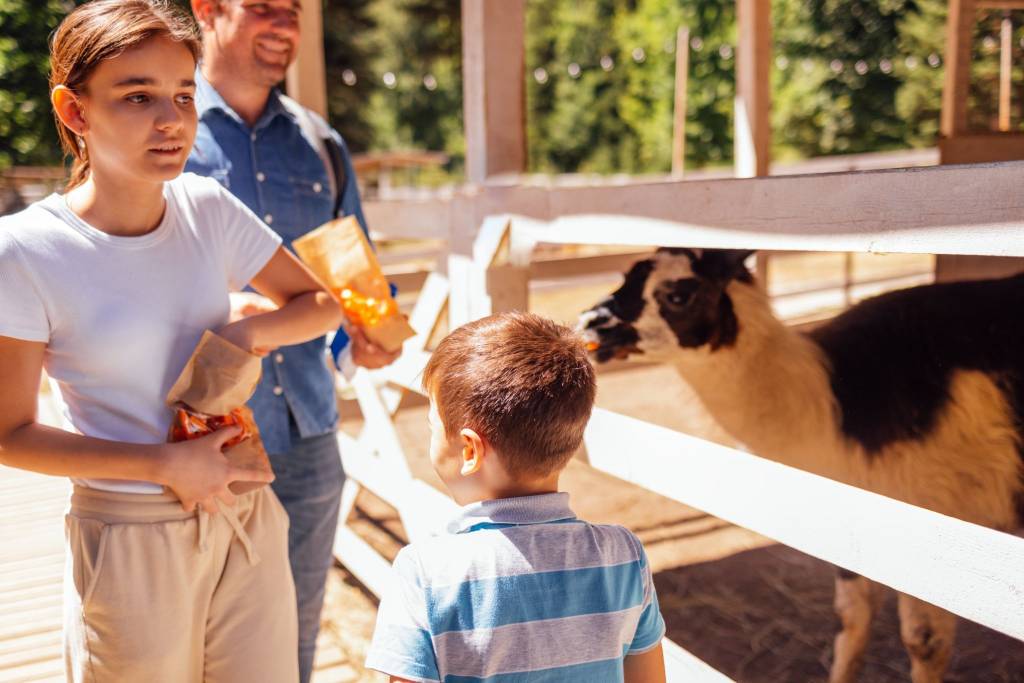
Repeated stress affects both physical and behavioral health in animals. These effects may include reduced appetite, low energy, or increased defensiveness. Over time, animals may become less responsive to human interaction. This pattern can impact their overall well-being and daily routines. Animal care teams monitor these changes closely to adjust environments as needed. Respectful visitor behavior helps reduce these long-term effects.
How to Teach Kids Respect Around Zoo Animals
Teaching children how to behave around animals shapes lifelong attitudes and habits. These lessons help children understand boundaries, empathy, and responsibility. Petting zoos provide a controlled environment for learning these behaviors. Guided interaction improves safety and creates more meaningful experiences.
Prepare Children Before Entering
Preparation helps children understand expectations before they approach animals. Parents should explain basic rules in simple and clear language. This preparation includes guidance on movement, voice level, and touching. Children who understand these rules tend to behave more carefully. This early instruction reduces impulsive actions during interaction. Clear expectations support a smoother and safer visit.
Model Respectful Animal Interaction
Children learn best by observing how adults behave in shared environments. Parents should demonstrate calm movement and gentle interaction with animals. This behavior provides a clear example for children to follow. Correcting rough behavior immediately reinforces proper conduct. This consistency builds better habits over time. Positive Modeling supports respectful interaction across different settings.
Encourage Observation Over Touching
Observation allows children to learn without overwhelming animals. This approach shifts focus from constant contact to understanding behavior. Children can watch how animals move, eat, and respond to their surroundings. This experience builds curiosity and patience. Encouraging observation reduces stress on animals during busy periods. Balanced interaction creates a more thoughtful and engaging visit.
Following Rules for Animal Safety and Care
Rules at petting zoos guide visitor behavior and protect animal welfare. These rules reflect experience from animal care professionals and safety experts. Ignoring them can create avoidable risks and discomfort for animals. Following guidelines supports a structured and respectful environment.
Reading and Following Posted Rules
Posted signs provide clear instructions for safe interaction with animals. These instructions often include feeding limits, movement guidelines, and restricted areas. Visitors should read and follow them before engaging with animals. This guidance reflects real conditions and the animals’ needs within the space. Ignoring signs can lead to unsafe or stressful situations. Awareness of these rules improves overall safety and experience.
Listening to Staff Instructions Carefully
Staff members understand animal behavior and daily care routines. These professionals give directions based on real-time conditions and animal needs. Visitors should follow these instructions without hesitation. This cooperation helps prevent overcrowding and unnecessary stress. Staff may limit interaction during rest or feeding periods for good reason. Respecting their guidance supports a well-managed environment.
Supporting Ethical Animal Treatment
Visitor behavior directly affects how animals experience daily interaction. Respectful actions reinforce humane treatment and responsible care standards. This behavior includes avoiding rough contact and following all guidelines. Visitors can also report concerns to staff when necessary. This awareness helps maintain high standards across facilities. Thoughtful participation creates a more ethical environment for animals.
Respect Animals at Petting Zoos Today
Respectful behavior toward animals at petting zoos improves safety and overall experience for everyone involved. These actions shape how animals respond to human interaction throughout the day and over time. Visitors who act with awareness help reduce stress and create calmer, more balanced environments. This responsibility extends beyond one visit and influences how others behave in similar settings. Choosing mindful interaction supports better care, reinforces humane treatment, and encourages a culture that values animal well-being.
Build better habits around animals with trusted advice. Read more on the Rancho DM Horse Club blog today.