Engagement photos have become less about perfect poses and more about capturing genuine connection. Couples in 2026 are choosing sessions that feel personal, relaxed, and true to their relationships. Meaningful settings, natural interactions, and contemporary photography styles are shaping many of these sessions. The right concept also considers comfort, personality, and how the photographs will eventually be used. Thoughtful engagement photo ideas can bring these elements together without making the experience feel overly planned.
Why the Right Engagement Photo Concept Matters
A well-chosen concept gives the session a clear, natural direction. It connects the location, clothing, activities, and photography style without making the experience feel overly planned. The right approach also helps couples feel comfortable because the setting and interactions suit their personalities. It also gives each image a stronger sense of purpose within the complete gallery. Instead of collecting unrelated poses, they receive photographs that feel consistent and genuinely connected to their relationship.
Engagement Photo Inspiration for Couples
Choosing an engagement photo concept becomes easier when it starts with your relationship rather than current trends. The setting, activity, clothing, and photography style should work together instead of competing for attention. Personal details can add character, while thoughtful planning keeps the session comfortable and visually consistent.
Places With a Shared History
A location can shape the mood before the photographer takes the first frame. Familiar surroundings often help couples relax while adding personal meaning to the photographs. Start with places connected to your relationship before choosing scenery mainly for its appearance.
The Place Where Your Story Started
A first-date spot can give the session a natural connection to your shared history. Consider a favorite restaurant, proposal location, park, or another place tied to an important memory. Familiar surroundings often encourage conversation because you already feel comfortable there. Ask your photographer to include recognizable features without letting the background dominate every frame. A doorway, table, street corner, or familiar view can provide enough context. These subtle details tell part of your story without requiring an elaborate recreation.
An Afternoon in Your Usual Neighborhood
Everyday surroundings work well for couples who prefer a relaxed and familiar atmosphere. A neighborhood café, bookstore, farmers market, or walking route can provide a natural setting. These places also offer simple activities that reduce the pressure to pose constantly. A bookstore suits couples who enjoy reading, while a café can reflect regular date nights. Home can offer another comfortable option for couples who prefer a quieter setting. Ordinary places become memorable when they reflect how you actually spend time together.
A Backdrop Matched to Your Mood
Different settings naturally support different moods, so consider the desired atmosphere before choosing one. Downtown streets and hotels complement polished clothing and more structured portraits. Beaches, gardens, and open landscapes provide softer backgrounds with plenty of room for movement. Homes and cafés suit intimate photographs centered on everyday interaction. Restaurants and illuminated streets can create a livelier setting for evening portraits. Matching the surroundings to your preferred mood helps the entire gallery feel connected.
A Date Built Around Natural Movement
Movement can make the session feel less like formal posing and more like time spent together. Simple actions give both partners something to focus on besides the camera. Genuine expressions often follow because the interaction has a natural reason to happen.
A Walk With No Fixed Destination
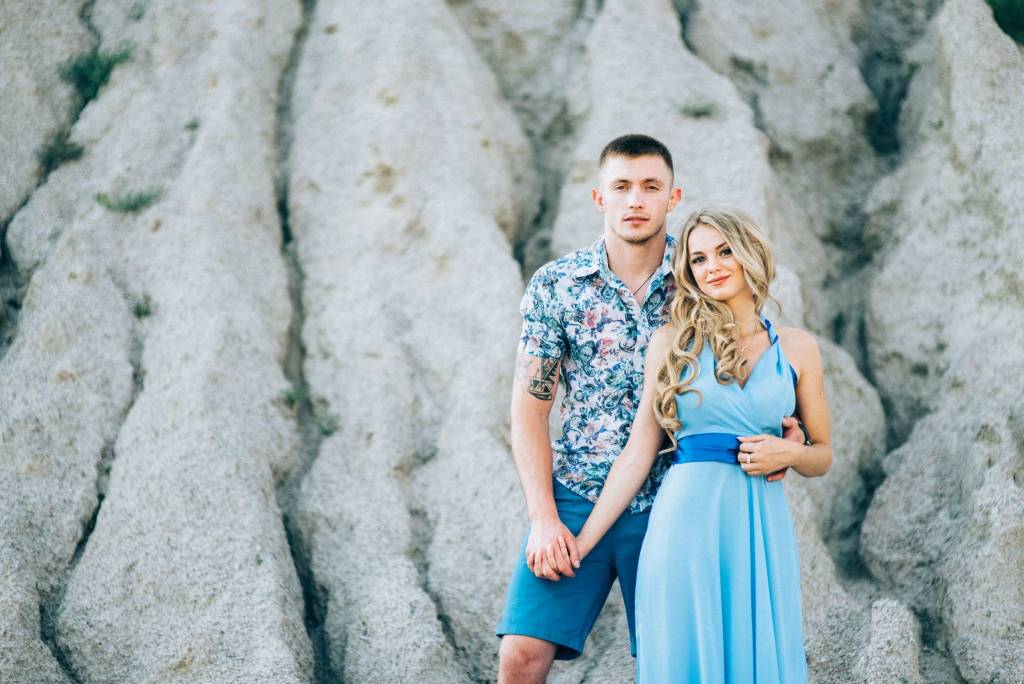
Walking together provides an easy way to create relaxed portraits without complicated posing. Hold hands and talk while moving at your normal pace. Your photographer can capture changing expressions instead of asking for the same smile repeatedly. You might walk toward the camera, move away, or occasionally glance at each other. These small changes create several compositions while keeping the direction easy to follow. Walking works especially well on trails, sidewalks, beaches, and other open spaces.
A Favorite Hobby Turned Into a Date
A familiar hobby can add personality while giving the session a natural sense of direction. Cooking, cycling, browsing records, skating, or playing a casual game can all work. Choose something you already enjoy rather than selecting an activity mainly for its appearance. Familiar experiences often create better reactions because neither partner needs to perform. Keep any equipment or props limited to what naturally belongs with the activity. The hobby should support your connection rather than become the main subject.
A Conversation Worth Photographing
Conversation can produce more believable expressions than repeatedly smiling toward the camera. Talk about a favorite memory, future trip, or something that reliably makes both of you laugh. Your attention naturally shifts toward each other as the conversation develops. The photographer can still provide gentle direction while capturing those reactions. Quieter conversations can also create intimate portraits when constant laughter doesn’t match your personalities. This approach adds emotional variety without introducing another location or activity.
Two Looks With One Personal Style
Clothing should complement the surroundings without becoming the main focus of the photographs. Comfortable pieces also make walking, sitting, and interacting easier throughout the session. Instead of matching exactly, choose outfits connected through color, texture, or formality.
Complementary Colors With Individual Style
Complementary colors usually look more natural than identical outfits. Start with a few shades that work together and suit the chosen surroundings. Neutral tones remain flexible, while richer colors can add depth against simpler backgrounds. If one partner wears a noticeable pattern, the other can create balance with a solid color. Avoid several competing prints because they can pull attention away from faces. A quick phone photograph beforehand can reveal combinations that look different on camera.
Casual First, Polished Later
Two outfit choices can create visual variety without requiring another session. Begin with clothing similar to what you might wear during a comfortable date. Later, switch to tailored pieces, a dress, jacket, or more refined accessories. Both looks should still reflect your normal preferences rather than feel like costumes. Test each outfit while sitting, walking, and moving before deciding. Comfortable clothing helps body language remain natural once photography begins.
Sunset Warmth Followed by City Lights
Lighting can change the character of a familiar location within a short period. Softer daylight creates a different mood from illuminated streets and nighttime interiors. Combining both can provide variety without requiring several unrelated settings.
A Golden-Hour Walk Before Sunset
Golden hour often works well outdoors because sunlight becomes softer as sunset approaches. The warmer light can create gentle shadows without the intensity of midday conditions. Early mornings can offer similar softness with quieter surroundings. Overcast weather can also photograph beautifully because clouds reduce harsh shadows across faces. Buildings and trees can affect when flattering light reaches a particular location. Your photographer can recommend the best starting time after reviewing the setting and season.
A Night Out Under Streetlights
Nighttime photographs can make the second half of a session feel completely different. Restaurants, storefronts, streetlights, and hotel interiors provide interesting sources of background light. Direct flash can add a crisp appearance that suits polished clothing and date-night settings. The technique often works better as part of a varied gallery rather than every photograph. Review your photographer’s nighttime portfolio beforehand because low-light photography requires specific experience. Pairing evening portraits with earlier daylight images can create two complementary moods.
Editorial Polish With Unscripted Moments
Couples do not need to choose between carefully arranged portraits and completely spontaneous photography. Structured and candid approaches can complement each other when the overall mood remains consistent. Mixing them creates a gallery with polished images alongside moments that feel less predictable.
Magazine-Inspired Portraits With Personality
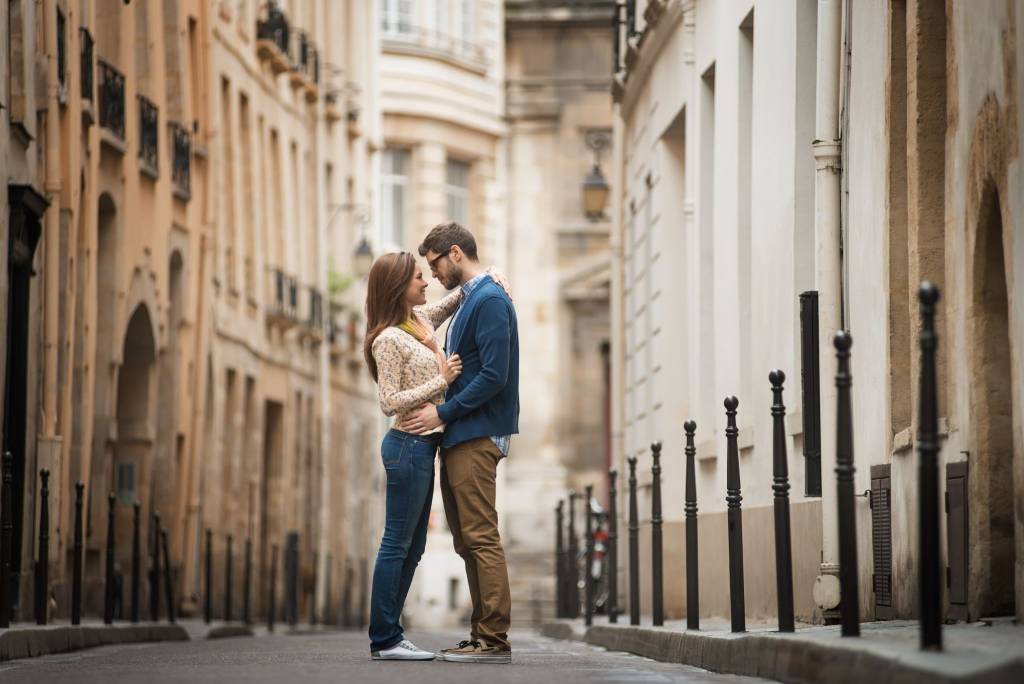
Editorial-style portraits use deliberate framing, polished styling, and clearer posing direction. They suit couples who want sophisticated photographs without making the entire session feel formal. Your photographer might begin with more structured poses while clothing and grooming remain freshly arranged. The direction can become looser as both partners grow more comfortable. Walking and conversation then provide natural transitions into less controlled photographs. This progression creates variety while keeping the overall collection visually connected.
A Day Told Through Candid Frames
Documentary-style photography focuses on moments as they happen rather than arranging every detail. A photographer may capture conversations, movement, laughter, pauses, and details within the surroundings. This approach suits couples who prefer doing things rather than repeatedly holding poses. Some photographers incorporate motion blur or unusual framing to strengthen the feeling of movement. Film-inspired editing or mixed film and digital coverage can add further character. These techniques work best when they support the story rather than distract from it.
A Mixed Gallery That Fits Both Personalities
Candid photographs suit couples who enjoy movement, conversation, and fewer formal directions. More structured portraits work well for those who prefer polished styling and intentional compositions. Documentary coverage favors storytelling, while lifestyle images often center on familiar activities and surroundings. Classic portraits provide cleaner frames that remain versatile for wedding materials. Direct flash can create a bolder look during the evening portion of the session. Combining compatible approaches can also satisfy partners with different photography preferences.
Pets and Keepsakes With Personal Meaning
Personal details can make the photographs distinctive without requiring elaborate styling. The strongest additions usually connect directly to everyday life, shared interests, or meaningful memories. A few carefully chosen elements provide context while keeping the couple at the center.
A Few Frames With Your Pet
Pets can add personality when they already form part of your life together. Include them during one portion rather than planning the entire session around them. Bring treats, water, waste bags, and someone who can help afterward. A familiar pet-friendly location can also reduce unnecessary distractions during photography. Tell your photographer beforehand so they can allow extra time for unpredictable movement. Continue with couple-focused portraits afterward to create a balanced final gallery.
One Keepsake With a Real Story
A meaningful object can reveal something about your relationship without requiring elaborate decoration. Books, instruments, sports equipment, travel keepsakes, or picnic items can provide natural interaction. Choose something you genuinely use or value rather than an item purchased only for photographs. Functional objects often work better because both partners can interact with them naturally. Several unrelated accessories can make the setting look staged and visually crowded. One carefully selected keepsake can communicate more personality than a collection of generic props.
Seasonal Dates With Natural Character
Seasonal surroundings provide changing colors, textures, and activities without requiring complicated decorations. Weather and daylight still deserve as much consideration as the scenery itself. A flexible concept allows seasonal character to support the photographs rather than control them.
A Date Inspired by the Season
Seasonal activities can provide context while keeping interactions believable. Spring gardens and neighborhood walks create fresh surroundings without demanding complicated planning. Summer can support waterfront walks, picnics, outdoor dining, or other movement-based activities. Autumn trails add natural texture, while winter cafés offer a warmer, more intimate setting. Choose an experience you would genuinely enjoy rather than arranging something solely for photographs. Real participation usually produces stronger expressions than standing beside seasonal decorations.
A Cozy Indoor Backup With Character
Changing weather becomes easier to handle when another setting is already available. Consider covered walkways, indoor venues, or an alternate date before committing to outdoor photographs. Private properties may require photography permission, reservations, or additional fees. Check those requirements before assuming an attractive indoor location will allow a professional session. Comfortable footwear and weather-appropriate layers can also make sudden changes easier to manage. A thoughtful backup keeps the session comfortable without sacrificing its original mood.
Save-The-Date Frames With Design Space
Engagement photographs often become useful materials during the months leading up to the wedding. Couples may use them for save-the-dates, websites, guest books, announcements, and printed displays. Planning those uses can produce photographs that work across several formats.
A Gallery With Horizontal and Vertical Frames
A versatile gallery should contain photographs in several orientations and distances. Horizontal images work well for website banners and designs that need surrounding space. Vertical portraits often fit mobile screens, social posts, and printed layouts more naturally. Close-up images provide another option when expressions, hands, or ring details deserve attention. Ask your photographer to vary the framing instead of relying heavily on one composition. Different orientations give you greater flexibility when the photographs become part of wedding materials.
Clean Backgrounds With Room for Details
Some photographs can include extra background space for names, dates, or wedding information. Mention planned save-the-dates or website graphics before the session so your photographer understands their purpose. Selected frames can include usable space while still looking balanced without added text. Most photographs should remain complete standalone images rather than functioning only as design backgrounds. A few purpose-built options usually provide enough flexibility for several wedding materials. Early planning can reduce awkward cropping when those designs are created later.
Plan Engagement Photo Ideas That Feel Like You
Your engagement session deserves more than a collection of attractive poses borrowed from someone else. Start with one idea that reflects how you spend time together, then find a photographer who understands that vision. Early planning gives you better choices for locations, lighting, timing, and personal details without overcomplicating the experience. Put your story first, and the photo.
Looking for more ideas and practical inspiration? Visit the Rancho DM Horse Club blog for helpful tips, planning advice, and fresh insights.