
A cigar lounge is a dedicated space where adults can enjoy premium cigars in a comfortable setting. It offers an alternative to ordinary smoking areas, with an atmosphere designed around the cigar experience. Some lounges welcome casual visitors, while others provide services suited to regular cigar enthusiasts. The experience can vary depending on the establishment, its amenities, and its house policies. Knowing what defines a quality lounge can help you choose one that fits your preferences.
Understanding the Lounge Experience
The experience centers on creating an environment suited to relaxed, unhurried cigar enjoyment. Each establishment shapes that experience differently through its atmosphere, access policies, and customer service. Some cater to occasional visitors, while others develop a community of regular cigar enthusiasts. These differences influence how guests spend their time and what they can expect during each visit.
How a Smoking Lounge Typically Works
Most lounges let guests select cigars before entering designated smoking areas. Staff members may explain cigar sizes, tobacco origins, flavor profiles, and strength levels. Guests then choose seating where they can smoke comfortably and socialize with others. Many establishments provide cutters, ashtrays, and other accessories needed during the smoking experience. Some businesses charge entrance fees, while others require only a cigar purchase or a minimum spend. Private establishments may instead use memberships that provide access to additional amenities and reserved spaces.
Who Usually Visits Cigar Lounges?
Cigar lounges attract adults with different experience levels, interests, and reasons for visiting. Experienced smokers often appreciate access to premium selections and properly maintained tobacco products. Beginners may visit because knowledgeable staff can make cigar selection less confusing. Business professionals sometimes use lounges for informal meetings or conversations outside traditional office settings. Social visitors may enjoy meeting people who share an interest in premium cigars. The atmosphere usually encourages slower conversations rather than the fast pace associated with crowded bars.
Why People Choose Dedicated Smoking Spaces
Dedicated lounges remove many practical challenges associated with enjoying premium cigars elsewhere. Guests receive a setting designed around seating, airflow, ash disposal, and tobacco use. They also avoid searching for outdoor spaces where cigar smoking may be permitted. The shared environment gives enthusiasts opportunities to exchange recommendations and learn from experienced smokers. New customers can ask staff questions without needing extensive knowledge before arriving. These advantages make dedicated smoking spaces appealing for both occasional and regular cigar enthusiasts.
What Makes a Cigar Lounge Different?
Dedicated cigar establishments differ from ordinary bars, clubs, and general smoking areas. Their layout and services usually support longer smoking sessions rather than brief visits. Tobacco storage, ventilation, comfortable seating, and knowledgeable service often shape the overall environment. Understanding these differences explains why cigar enthusiasts seek specialized spaces instead of ordinary smoking locations.
Ventilation and Comfortable Seating
Cigar smoke can linger indoors without an appropriate air-handling system and regular ventilation. Well-designed lounges use ventilation equipment that helps manage smoke and maintain comfortable indoor conditions. The system cannot eliminate every trace of smoke from an active smoking environment. However, effective airflow can make extended visits more comfortable for guests and employees. Seating also includes supportive chairs, sofas, tables, and enough personal space. These features encourage guests to enjoy cigars slowly instead of feeling pressured to leave quickly.
Humidors and Premium Cigar Storage
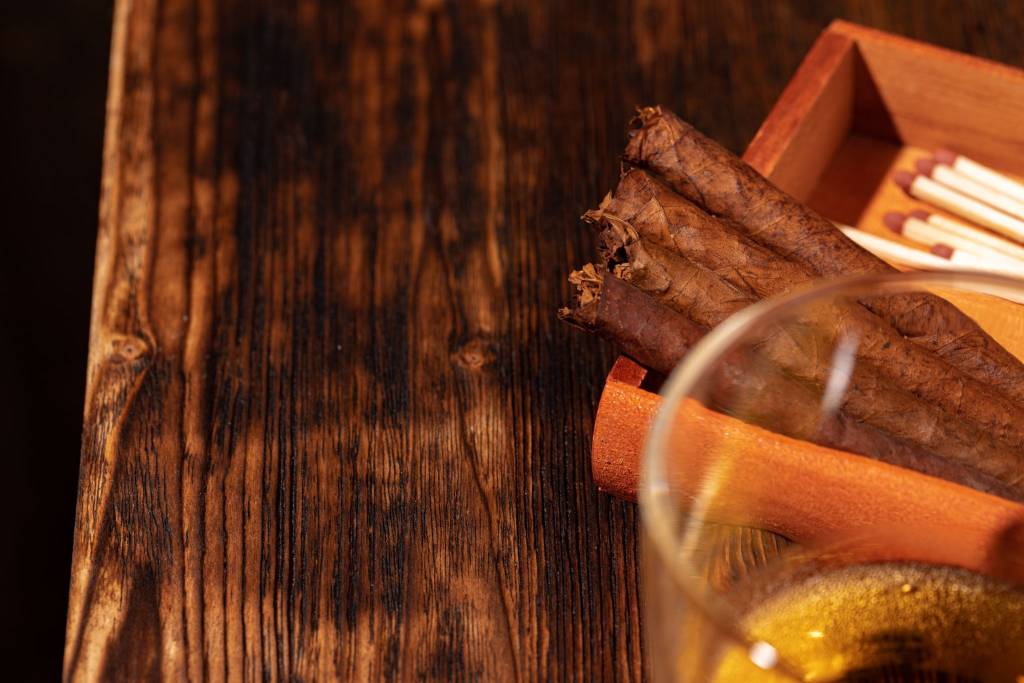
Premium cigars require controlled storage conditions to maintain their intended smoking characteristics. Many lounges use walk-in humidors or enclosed display systems for their tobacco inventory. Humidity management helps prevent cigars from becoming excessively dry or absorbing too much moisture. Proper storage also protects wrappers and supports more consistent burning. Customers can often browse cigars from different manufacturers, tobacco regions, sizes, and strength categories. Staff may explain these differences without requiring customers to understand specialized cigar terminology beforehand.
Knowledgeable Staff and Personal Guidance
Experienced staff can make a specialized smoking lounge noticeably different from a basic tobacco retailer. Employees often understand cigar construction, tobacco origins, strength levels, and common flavor characteristics. They can recommend products according to budget, available time, and previous smoking experience. Their guidance becomes particularly useful when customers face a large humidor filled with unfamiliar options. Staff may also demonstrate proper cutting, lighting, and storage techniques when customers request assistance. This service helps guests make informed choices without making the experience unnecessarily complicated.
Services Found at Cigar Lounges
The services available depend on the establishment’s business model and local operating requirements. Some locations mainly function as tobacco retailers with comfortable spaces for customers. Others offer membership programs, storage lockers, events, beverages, or additional hospitality services. These differences allow guests to choose an environment matching their preferred level of service.
Cigar Selection and Retail Services
A strong retail selection gives customers opportunities to compare cigars before making purchases. Lounges may stock established brands alongside boutique producers and limited releases. Staff can recommend options according to strength, size, smoking duration, and personal preferences. Beginners can also ask about wrappers, fillers, construction, and common cigar terminology. Many shops sell cutters, lighters, humidification products, cases, and other cigar-related accessories. These retail services make the lounge useful for both immediate smoking and home cigar storage.
Memberships and Private Storage
Some cigar clubs offer memberships for frequent visitors or those who want additional amenities. Membership structures vary widely because each business sets its own access rules and benefits. Common privileges may include reserved seating, private events, discounts, or access to members-only areas. Personal lockers can also provide convenient storage for cigars purchased or brought to the establishment. These lockers may be located in humidity-controlled areas designed for proper tobacco storage. Prospective members should compare costs, access policies, guest rules, and included services before joining.
Events and Social Experiences
Many lounges organize events that bring customers together around shared interests in premium tobacco. Activities may include cigar tastings, manufacturer visits, product launches, or educational sessions. These gatherings give customers opportunities to sample products they might not otherwise choose. Guests can also speak with brand representatives or experienced smokers about tobacco and cigar production. Some establishments schedule recurring social evenings that help regular visitors build connections over time. Events can therefore add another dimension beyond ordinary retail purchases and individual smoking sessions.
Cigar Lounge Etiquette and Expectations
Good lounge etiquette helps maintain a comfortable environment for smokers sharing the same space. Most expectations involve respecting other guests, employees, merchandise, and establishment policies. New visitors rarely need extensive cigar knowledge to follow these basic social standards. A little awareness can make the first visit considerably easier and more enjoyable.
Respecting the Space and Other Guests
Guests should follow posted rules regarding seating, cigar purchases, outside products, and designated smoking areas. Some establishments permit outside cigars, while others charge fees or prohibit them entirely. Conversations should remain at a reasonable volume when people nearby want a quieter experience. Visitors should also keep personal belongings from occupying seats needed by other customers. Staff instructions deserve attention because policies may reflect licensing requirements or business operating procedures. Respectful behavior allows different types of smokers to enjoy the same shared environment comfortably.
Cutting, Lighting, and Handling Cigars
Proper cigar handling starts before the cigar ever reaches the flame. A clean cutter removes the cap without damaging too much of the wrapper. Guests usually toast the cigar’s foot before drawing while applying the flame. This approach encourages an even start and reduces unnecessary scorching around the tobacco. Smokers should place finished ash in provided ashtrays rather than scattering it around tables. Lounge employees can often demonstrate basic techniques when newcomers need practical assistance.

Bringing Your Own Cigars
Outside cigar policies vary because each lounge follows its own business model. Some locations welcome personal cigars but may charge a cutting or smoking fee. Others require guests to purchase tobacco directly from the establishment before using the lounge. Members may receive different privileges than occasional visitors under certain club policies. Calling ahead can prevent confusion when someone plans to bring cigars from a personal collection. Respecting the policy also supports the business providing the smoking space and related amenities.
Drinks, Food, and Cigar Pairings
Food and beverage offerings differ considerably between cigar lounges and private smoking clubs. Some businesses operate beverage programs, while others allow certain outside drinks under established policies. Local licensing rules can influence which combinations an establishment may legally offer. Guests should check current house policies before bringing beverages, food, or other outside items.
Common Beverages Served With Cigars
Many cigar smokers enjoy beverages that complement tobacco flavors without overwhelming them. Coffee remains a popular choice because its roasted notes can complement many cigar profiles. Tea and nonalcoholic specialty drinks can also work well with mild or medium-bodied cigars. Some appropriately licensed establishments may serve alcoholic beverages alongside their tobacco offerings. Pairing preferences remain personal because cigar strength and individual taste vary considerably. Staff recommendations can help guests choose suitable options when beverage service is available.
Why Pairing Changes the Experience
A beverage can affect how someone notices sweetness, spice, earthiness, or roasted tobacco characteristics. Strong flavors may dominate delicate cigars, while lighter drinks can disappear beside fuller blends. Balanced pairings keep both components noticeable throughout the smoking session. Temperature and sweetness can also influence how cigar flavors seem during different stages. Beginners often benefit from simple combinations before experimenting with more complicated flavor contrasts. Personal preference ultimately matters more than rigid pairing rules or traditional expectations.
Types of Cigar Lounges to Consider
Not every cigar establishment provides the same atmosphere, access model, or customer experience. Some businesses prioritize retail sales, while others emphasize privacy and regular social gatherings. Understanding common formats can help visitors choose a setting that matches their expectations. The best option depends on desired amenities, visit frequency, budget, and preferred atmosphere.
Public Retail Smoking Lounges
Retail-based lounges generally welcome adult customers during standard business hours, subject to house policies. Visitors can often browse the humidor before choosing cigars and entering the seating area. These locations work well for beginners because purchasing and smoking happen within one establishment. Staff availability also makes it easier to ask questions before choosing unfamiliar products. Some locations hold tastings, brand events, educational sessions, or product release gatherings. Access requirements and available services can vary considerably between individual businesses.
Private Clubs and Membership Lounges
Private cigar clubs typically serve members who want consistent access and additional amenities. These businesses may offer dedicated lockers, reserved spaces, extended hours, or exclusive events. Membership can create a familiar social setting because many guests return regularly. Some clubs also establish dress standards, guest policies, spending requirements, or annual membership fees. Potential members should review those conditions before deciding if the arrangement fits their habits. Occasional smokers may find public lounges more practical than paying for ongoing club access.
What to Expect on Your First Visit
A first lounge visit becomes easier when guests understand the basic process beforehand. Most establishments maintain straightforward policies regarding purchases, seating, smoking, and available services. Staff members regularly assist customers with limited knowledge of premium cigars. Asking a few practical questions can prevent confusion and make the visit more comfortable.
Choosing a Cigar Without Guesswork
New smokers do not need extensive tobacco knowledge to choose an appropriate first cigar. Staff can narrow the selection after learning about preferred flavors and smoking duration. Mentioning tolerance for stronger flavors also helps prevent an unsuitable recommendation. Smaller cigars generally require less time, although size does not automatically determine strength. Customers should also consider price before exploring premium or limited-production selections. A helpful recommendation should match personal preferences rather than promote the most expensive cigar.
Planning Enough Time for the Visit
Premium cigars are usually designed for slower enjoyment rather than hurried smoking sessions. Smoking duration varies according to cigar size, construction, pace, and individual habits. A smaller format may suit someone with limited time better than a large cigar. Guests should avoid rushing because excessive puffing can make a cigar burn hotter. Allowing enough time also makes conversations and lounge amenities easier to enjoy. First-time visitors can ask staff about approximate smoking duration before choosing a particular size.
What to Bring on Your First Visit
Most first-time visitors need very little equipment when visiting a full-service cigar lounge. Many establishments provide ashtrays and may have cutters or lighters available. Bring identification because cigar establishments serve adults who meet applicable age requirements. Customers should also carry an accepted payment method for cigars, fees, or other purchases. Personal accessories remain optional unless someone prefers using a particular cutter or lighter. Checking the lounge’s policies beforehand can clarify anything else required for entry or service.
Check the Cigar Selection and Storage
A lounge’s humidor can reveal plenty about its approach to premium tobacco service. Look for cigars stored neatly, with no visibly damaged wrappers or obviously neglected inventory. A varied selection also gives customers choices across different sizes, strengths, and price ranges. Knowledgeable employees should explain available options without making the buying process feel intimidating. Regular smokers may also value rotating selections, boutique brands, or occasional limited releases. Good storage and thoughtful inventory can make repeat visits more worthwhile.
Keep exploring premium cigar culture and club experiences with informative resources from the Rancho DM Horse Club blog.
